Traveling with your dog can be one of the most rewarding experiences, allowing you to bond and explore new places together. However, it also comes with its own set of challenges. From planning the logistics to ensuring your pup is comfortable and safe, there's a lot to consider. In this guide, we'll share practical tips and tricks for stress-free travel with your furry friend, ensuring that your adventures are enjoyable for both of you.
Preparing for the Journey
1. Choose Dog-Friendly Destinations
The first step in planning a trip with your dog is selecting a destination that welcomes pets. Many hotels, parks, and attractions now cater to dogs, offering amenities like pet-friendly accommodations and designated play areas. Consider using resources like BringFido or Airbnb to find suitable places to stay.
- Consider Campgrounds: If you enjoy camping, many campgrounds allow dogs. This can be a great way to experience nature together while providing your dog with plenty of space to roam.
2. Plan Your Itinerary
Once you've chosen your destination, map out an itinerary that includes dog-friendly activities. Look for hiking trails, beaches, and parks that allow dogs. Consider the length of time your dog can comfortably be active, and plan for rest breaks and downtime.
- Local Dog Events: Check if there are any local dog shows, festivals, or events happening during your visit. These can be great opportunities for socialization and fun!
3. Make Reservations
To avoid last-minute surprises, make reservations well in advance. This applies not only to accommodations but also to any dog-friendly activities or dining options. Always confirm your reservation allows pets and inquire about any specific policies.
- Cancellation Policies: Understand the cancellation policies of accommodations, especially if your plans change. It can save you a lot of stress later.
4. Pack Essentials
Packing for your dog is just as important as packing for yourself. Here's a checklist of essentials:
- Food and Water: Bring enough of your dog's regular food to last the trip, plus extra in case of delays. Don't forget collapsible bowls for easy feeding and hydration on the go.
- Leash and Harness: Ensure your dog has a sturdy leash and a comfortable harness. A long line can be handy for outdoor adventures where you want to give your dog some freedom.
- Bedding and Blankets: Familiar bedding can help your dog feel secure in new environments. Bring a favorite blanket or bed to make hotel stays more comfortable.
- First Aid Kit: Prepare a pet first aid kit that includes basic supplies like bandages, antiseptic wipes, and any necessary medications.
- Waste Bags: Always clean up after your dog. Bring plenty of waste bags to keep the environment clean and pleasant for everyone.
- Identification: Ensure your dog has a collar with an ID tag and consider a microchip for extra security. Keep a recent photo of your dog on hand in case you get separated.
- Travel Crate or Carrier: If your dog is used to being in a crate, bringing it along can provide them with a familiar space to retreat to, especially during long travels.
During the Journey
5. Choose the Right Mode of Transportation
How you travel can significantly impact your dog’s comfort. Whether you’re driving or flying, consider the following:
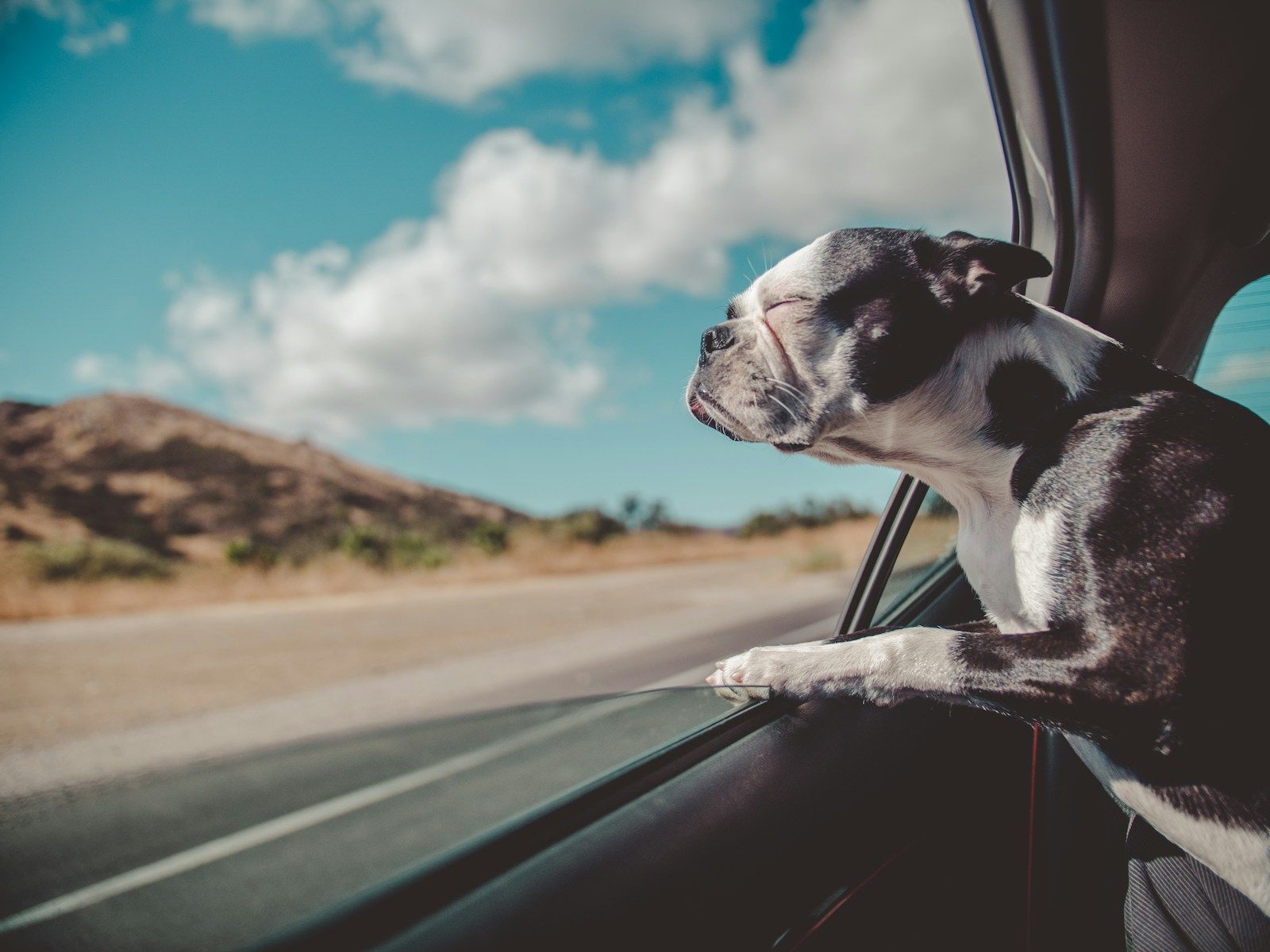
- Car Travel: Ensure your dog is secured in the vehicle. Use a pet seatbelt, crate, or carrier to keep your dog safe. Plan for regular breaks every couple of hours to let your dog stretch, relieve themselves, and drink water.
- Air Travel: If flying, check the airline's pet policies well in advance. Make sure your dog's crate meets the airline's requirements and is comfortable for your pet. Consider a direct flight to minimize travel time and stress.
6. Keep Your Dog Calm
Travel can be stressful for dogs, especially if they're not used to it. Here are some tips to keep your furry friend calm during the journey:
- Exercise Before the Trip: Take your dog for a long walk or play session before you leave. A tired dog is often a calmer dog.
- Familiar Items: Bring along familiar items, like their favorite toy or blanket, to provide comfort.
- Music or White Noise: Some dogs respond positively to calming music or white noise. Consider playing soothing tunes during the trip.
- Breaks and Snacks: Frequent breaks for potty, exercise, and snacks can help reduce anxiety. Keep your dog well-fed and hydrated.
- Calming Aids: If your dog tends to get anxious during travel, consider using calming sprays, treats, or anxiety wraps. Always consult your veterinarian for the best options.
At Your Destination
7. Settle In
When you arrive at your destination, give your dog time to adjust. Allow them to explore their new surroundings and sniff around. Create a comfortable space for them in your accommodation with their bed, toys, and water.
8. Stick to a Routine
Dogs thrive on routine, so try to maintain a schedule similar to what they're used to at home. Regular feeding times, walks, and playtime can help your dog feel more secure and less anxious in a new environment.
9. Monitor Your Dog's Behavior
Keep an eye on your dog's behavior as they acclimate to their new surroundings. Signs of stress or discomfort may include excessive barking, panting, or hiding. If your dog seems overwhelmed, take a break and give them some quiet time.
Exploring Together
10. Enjoy Dog-Friendly Activities
Make the most of your trip by engaging in activities that you can enjoy together. Here are some ideas:
- Hiking: Look for dog-friendly trails where your pup can enjoy nature. Ensure the trail is suitable for your dog's fitness level and keep them leashed in areas where wildlife may be present.
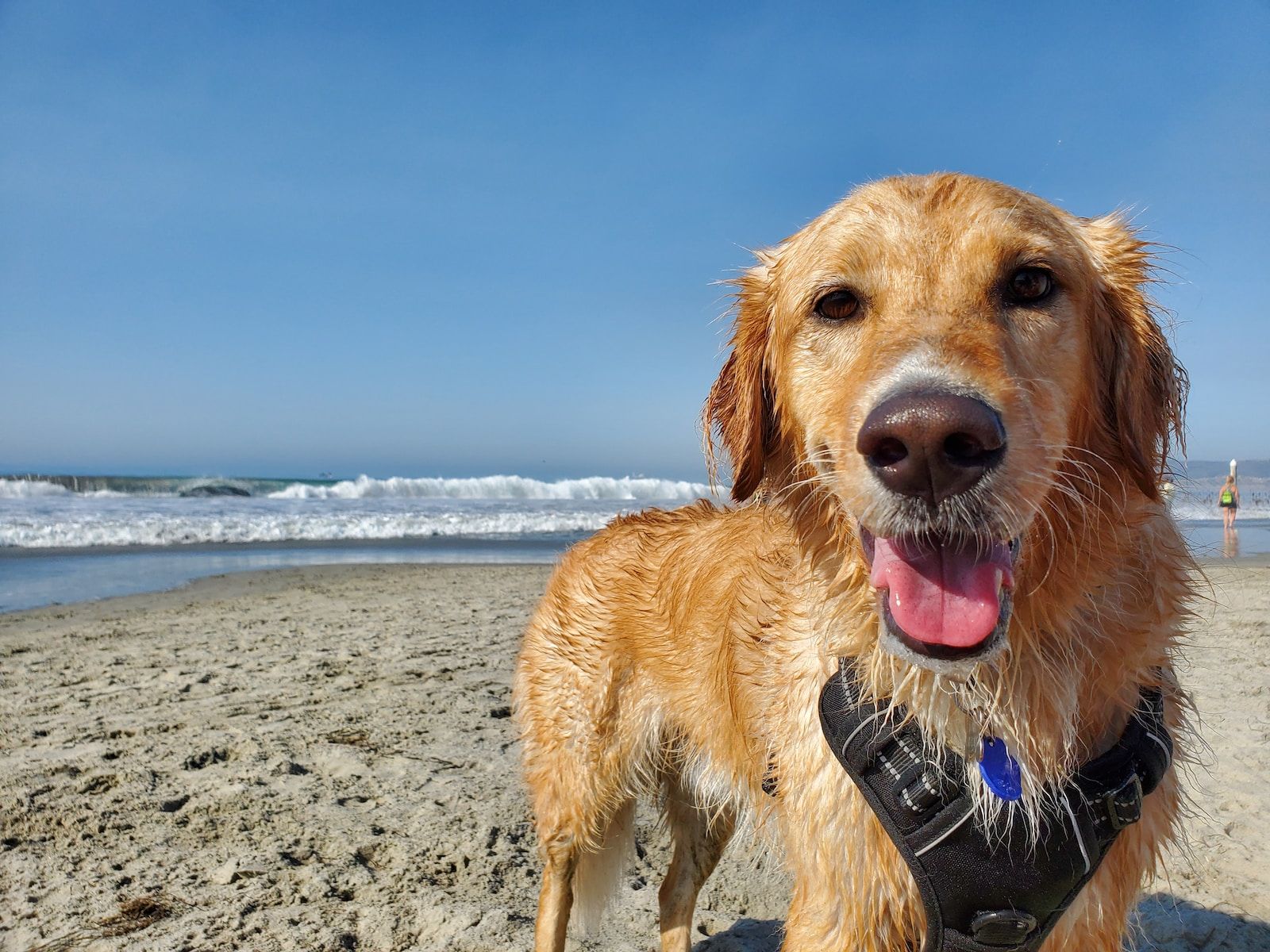
- Beach Days: If you're near the coast, find a dog-friendly beach where your pup can run, swim, and play in the sand. Remember to bring fresh water for them to drink, as saltwater can be harmful.
- Local Parks: Visit local parks that welcome dogs. Many parks have designated dog areas where your pup can socialize and play off-leash.
- Pet-Friendly Attractions: Research attractions that allow dogs, such as botanical gardens, outdoor markets, or historical sites. Engaging in local activities can enrich your travel experience.
11. Dining Out
Research dog-friendly restaurants and cafes in the area. Many establishments offer outdoor seating where dogs are welcome. Some even provide dog menus! Always check the rules and ensure your dog is well-behaved while dining.
- Training in Public: Use dining experiences as an opportunity to reinforce training. Teach your dog to sit quietly and be polite in public settings.
12. Capture the Moments
Don't forget to document your adventures! Take plenty of photos and videos of your travels together. Not only will this create lasting memories, but it can also help you share your experiences with other pet owners who may be considering similar trips.
- Social Media: Consider creating an Instagram account or blog dedicated to your travels with your dog. Sharing tips and experiences can inspire others and create a community of pet travelers.
Safety and Health Considerations
13. Know Local Laws
Before you travel, familiarize yourself with local leash laws and regulations regarding pets in public spaces. Some areas may have specific rules about where dogs are allowed, so it's essential to be informed to avoid fines or restrictions.
14. Be Mindful of Weather Conditions
Keep your dog's safety in mind, especially in extreme weather conditions. During hot weather, avoid walking on pavement that can burn their paws, and ensure they have access to shade and water. In colder climates, consider dog jackets or booties to keep them warm.
- Hydration Stations: During hot days, make it a habit to look for places where your dog can get water. Portable water bowls are handy for road trips.
15. Monitor Your Dog's Health
During your travels, pay attention to your dog's health and behavior. If they seem lethargic, refuse to eat, or show any signs of illness, seek veterinary assistance. Research nearby veterinary clinics before your trip so you know where to go in case of emergencies.
- Regular Health Check-Ups: Before embarking on your trip, schedule a vet appointment to ensure your dog is healthy and up-to-date on vaccinations.
Returning Home
16. Maintain a Post-Trip Routine
Once you return home, help your dog readjust to their normal routine. They may be a little more tired than usual after all the excitement, so provide them with plenty of opportunities to rest.
17. Reflect on the Experience
After your trip, take some time to reflect on what worked well and what could be improved for next time. Consider your dog's comfort and how they handled different situations. This will help you plan even better adventures in the future.
18. Share Your Adventures
Consider sharing your experiences on social media or a blog. Many pet owners love hearing about dog-friendly destinations and tips for traveling with pets. Your insights could help others plan their own adventures!
- Local Pet Communities: Engage with local pet communities or forums to share your experiences and learn from others. It's a great way to find new travel tips and recommendations.
Traveling with your dog can be an incredibly rewarding experience filled with new adventures and memories. With proper planning, a focus on comfort and safety, and an open mind, you can create a stress-free travel experience that both you and your furry friend will cherish. So pack your bags, grab the leash, and get ready to embark on an adventure that you both will love. Happy travels!
Leave a Reply