Grooming is an essential part of caring for your dog. It goes beyond just making your dog look good""it plays a vital role in maintaining their overall health, hygiene, and well-being. Regular grooming helps prevent skin problems, keeps your dog comfortable, and strengthens the bond between you and your pet. Whether you choose to groom your dog yourself or take them to a professional groomer, understanding the basics of dog grooming is key to giving your pup the care they deserve.
Why Grooming Matters
Grooming serves many purposes in maintaining a dog's health. It isn't just about keeping your dog looking their best, but it also helps in identifying any potential health issues before they become serious. Here's why grooming is so important:
- Skin Health: Regular grooming helps maintain a clean and healthy coat, preventing mats and tangles. Grooming also allows you to detect skin conditions like rashes, dryness, or infections early.
- Prevention of Mats and Tangles: Certain breeds, especially long-haired dogs, are prone to mats and tangles, which can cause pain and discomfort. Regular brushing helps keep the coat in good condition.
- Control Shedding: Grooming reduces the amount of loose fur around your home. Brushing your dog regularly can help prevent excess shedding, making your house cleaner and reducing allergens.
- Early Detection of Health Issues: Regular grooming sessions give you the opportunity to check for abnormalities such as lumps, bumps, or changes in the skin, eyes, ears, and nails. Early detection of health problems can lead to timely veterinary care.
- Nail Health: Regular trimming keeps your dog's nails at a healthy length, preventing pain and possible injury caused by overgrown nails.
Different Types of Dog Grooming
Grooming needs vary depending on your dog's breed, coat type, and individual needs. Let's look at the various grooming services and practices to consider.
1. Brushing
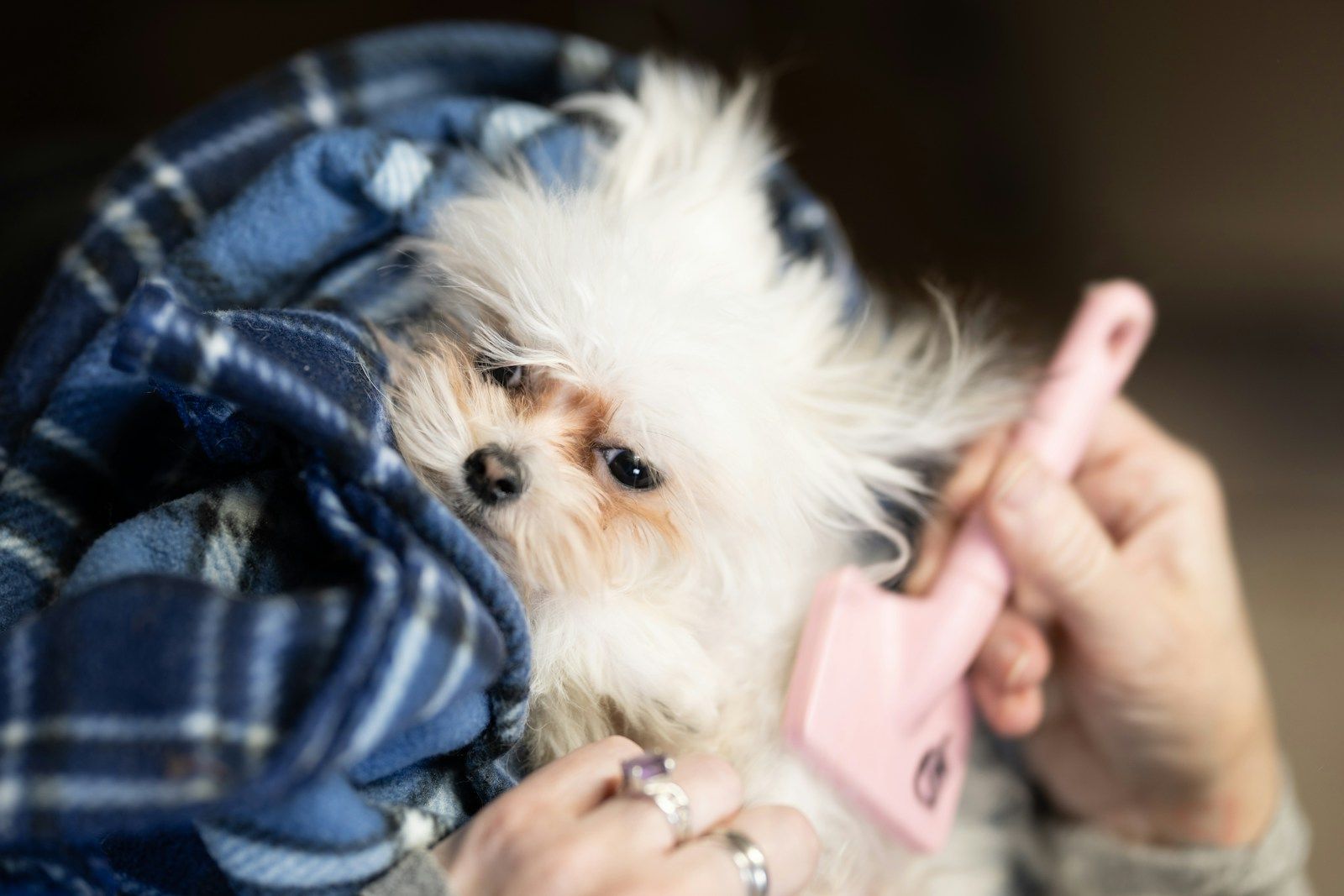
Brushing is one of the most common and essential grooming tasks for most dogs. It helps remove dirt, debris, and loose fur, while also stimulating the skin's oil production, which keeps the coat healthy.
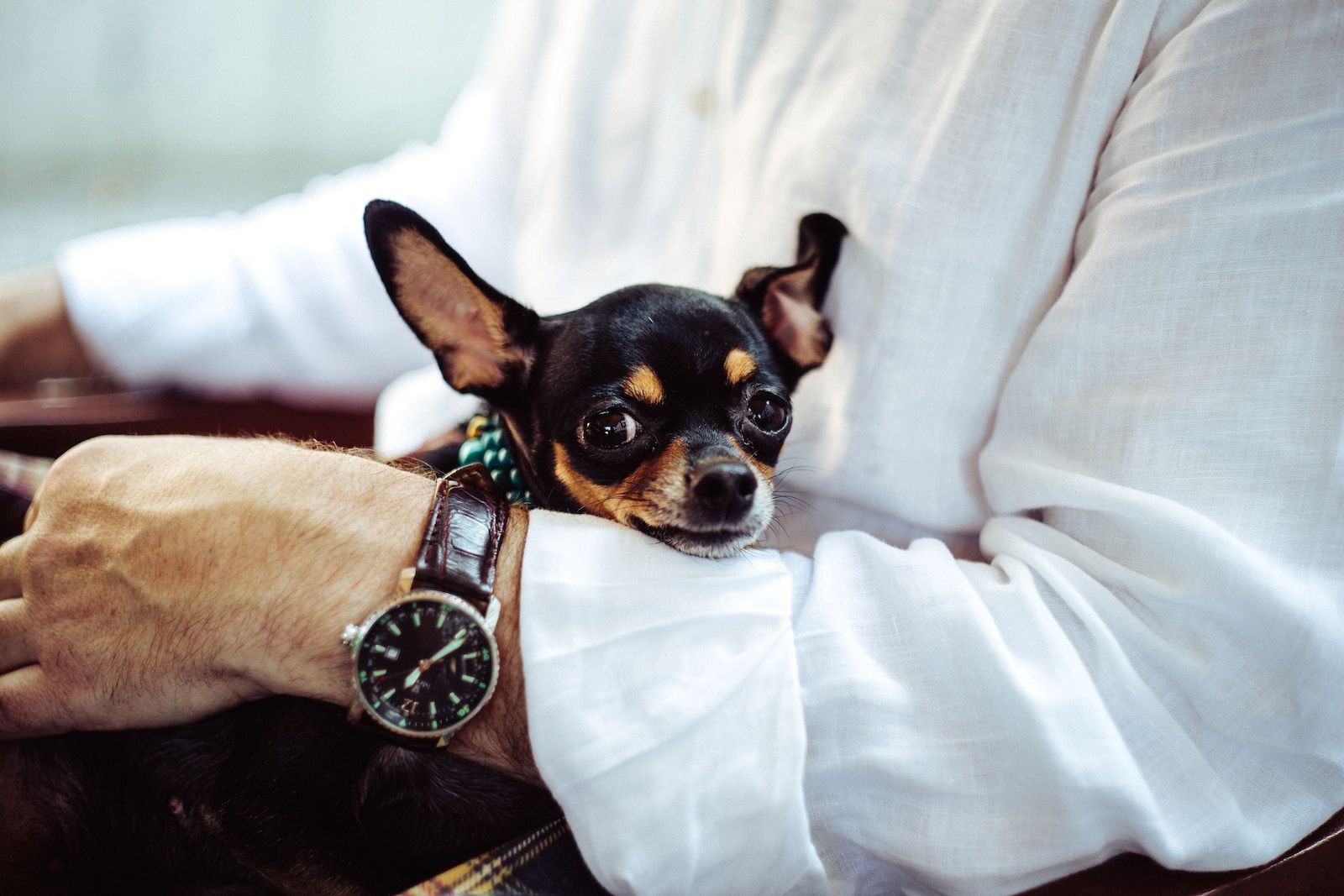
- Short-Haired Dogs: Breeds like Beagles, Boxers, and Chihuahuas have short coats that require minimal brushing. However, they still shed and benefit from a quick brush once a week to remove loose fur.
- Long-Haired Dogs: Breeds like Shih Tzus, Poodles, and Collies require more frequent brushing. Long-haired dogs are prone to tangles and mats, so daily brushing is ideal for preventing these issues.
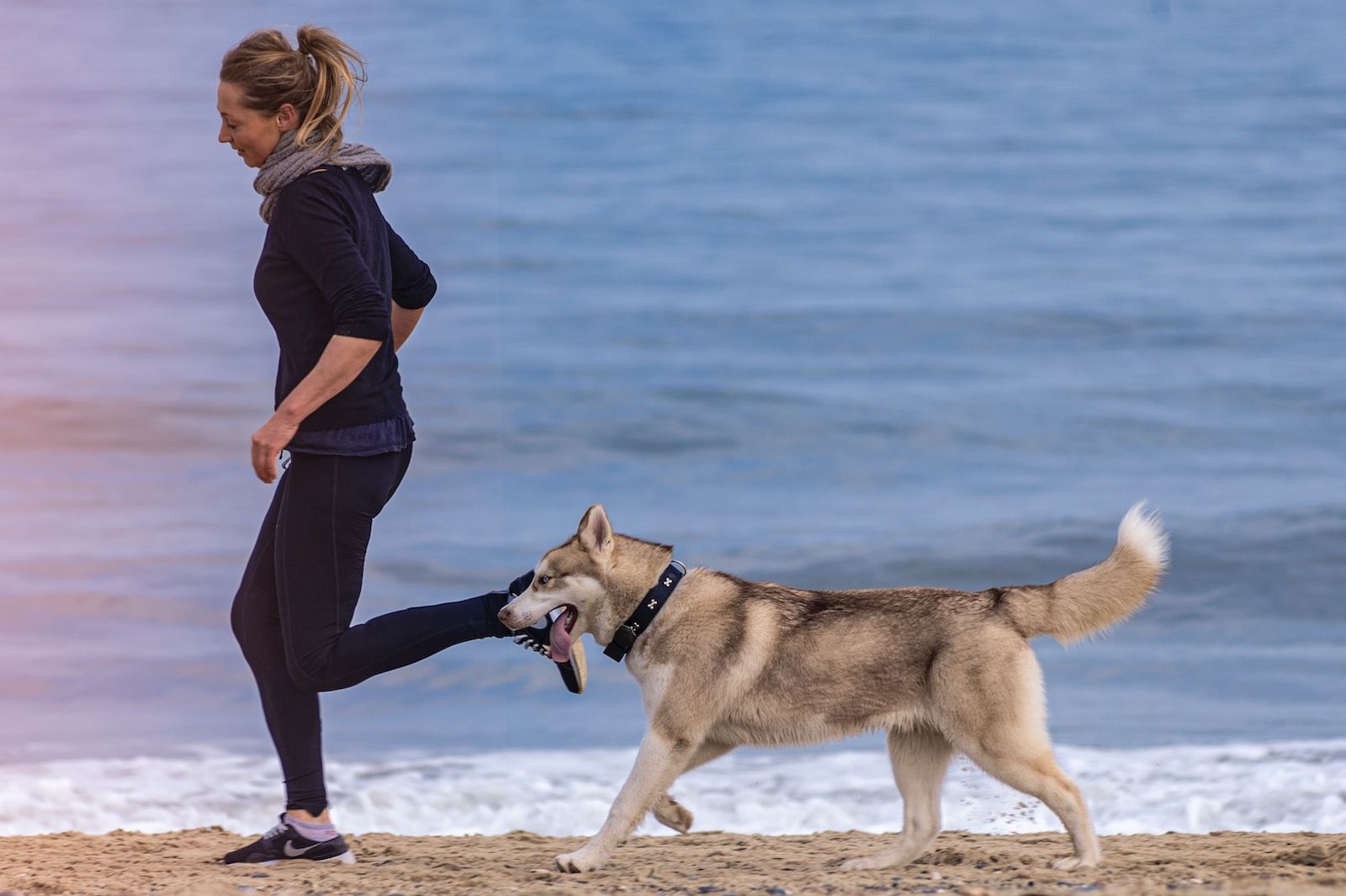
- Double-Coated Dogs: Breeds like Huskies, German Shepherds, and Golden Retrievers have a double coat, with a soft undercoat and a longer outer coat. These dogs shed a lot, particularly during shedding seasons (spring and fall), and require frequent brushing, at least two to three times a week.
Tip: Always use the right brush for your dog's coat type. Slicker brushes are great for long-haired breeds, while bristle brushes work well for short-haired dogs.
2. Bathing
Bathing your dog is another key part of grooming. The frequency of baths depends on your dog's breed, activity level, and any specific health needs.
- Active Dogs or Outdoor Dogs: Dogs who spend a lot of time outdoors, such as hunting dogs or those who play in muddy areas, will need more frequent baths.
- Dogs with Sensitive Skin: If your dog has sensitive skin, you should avoid over-bathing, as it can strip the coat of natural oils. In such cases, bath time should be spaced out more and use gentle, hypoallergenic shampoos.
- Coat Type: Dogs with oily coats (like Basset Hounds) may need to bathe more frequently to control odor. On the other hand, some dogs, like Poodles, can go longer between baths since their coats tend to stay cleaner.
Tip: Use dog-specific shampoos that are designed for your dog's coat and skin type. Human shampoos can be too harsh and may cause skin irritation.
3. Ear Care
Ear care is often overlooked but is an important aspect of grooming, especially for dogs with floppy ears, such as Cocker Spaniels, Basset Hounds, and Bulldogs.
- Inspecting for Wax and Debris: Regularly check your dog's ears for signs of dirt, wax buildup, or infection. If your dog is prone to ear infections, clean their ears gently with a dog ear cleaner recommended by your vet.
- Signs of Infection: Symptoms of ear infections include shaking of the head, scratching at the ears, foul odor, redness, or discharge. If you notice these signs, it's important to seek veterinary care.
Tip: Never insert cotton swabs into your dog's ear canal, as this can cause injury. Instead, use a soft cloth or cotton ball to wipe the outer ear.
4. Nail Trimming
Nail trimming is essential for keeping your dog comfortable and healthy. Long nails can lead to pain, difficulty walking, and even joint issues.
- When to Trim Nails: Generally, your dog's nails should be trimmed every 3-4 weeks, but this can vary depending on how much activity your dog does. Dogs that are active outdoors may naturally wear down their nails and require less frequent trimming.
- How to Trim: Use a dog nail clipper or grinder. If you are unsure about how much to trim, ask your vet or groomer to show you the proper technique. Be careful not to cut too close to the quick, the sensitive area inside the nail, as it can cause bleeding.
Tip: If you're nervous about trimming your dog's nails, try using a grinder, which can be less stressful for both you and your dog.
5. Teeth Cleaning
Dental care is often neglected, but it is crucial for your dog's health. Gum disease, tooth decay, and bad breath can be common issues in dogs that aren't given proper dental care.
- Brushing Your Dog's Teeth: Ideally, you should brush your dog's teeth every few days. Use a toothbrush and toothpaste designed for dogs, as human toothpaste can be harmful to them.
- Dental Chews: In addition to brushing, you can provide dental chews or toys that help clean your dog's teeth naturally by scraping off plaque and tartar.
Tip: Regular veterinary checkups will allow your vet to examine your dog's teeth and catch any dental issues early.
6. Haircuts and Trims
Some dog breeds, especially those with continuously growing hair (like Poodles, Schnauzers, and Cockapoos), require haircuts to maintain their appearance and comfort.
- Breed-Specific Cuts: Each breed has a characteristic grooming style. Poodles, for example, often sport a “Poodle cut,” while Shih Tzus are commonly trimmed to maintain a tidy appearance.
- Professional Grooming: While some owners prefer to trim their dogs at home, others prefer to take their pets to a professional groomer, especially when it comes to specific styles or intricate cuts.
Tip: Regular visits to the groomer for haircuts can help keep your dog comfortable and looking their best.
Grooming at Home vs. Professional Grooming
While some dog owners prefer to groom their pets at home, others choose to take their dogs to a professional groomer. Both options have their pros and cons.
- Grooming at Home: Grooming your dog at home can be more affordable and give you greater control over your dog's grooming routine. However, it requires time, effort, and knowledge of the tools and techniques.
- Professional Grooming: Professional groomers have experience and can handle even the most challenging grooming tasks. If you don't feel confident in your ability to groom your dog or if your dog has specific grooming needs, a groomer can be a great choice. Professional groomers also provide services like haircuts, flea treatments, and full baths that may require more advanced skills.
Tip: No matter your choice, it's essential to get your dog used to grooming at an early age. This will help them stay calm during grooming sessions, whether at home or at the groomer.
Grooming your dog is not just about keeping them looking their best""it's also about maintaining their health and comfort. Whether you choose to handle grooming tasks yourself or take your dog to a professional, regular grooming is an essential part of pet care. Brushing, bathing, ear cleaning, nail trimming, and dental care are all important components of a grooming routine that can help prevent health issues and keep your dog happy. By following the grooming tips outlined above, you'll ensure that your dog stays in top condition, both inside and out.
Leave a Reply