Winter can be a magical time of year, filled with snowflakes, holiday festivities, and cozy moments spent indoors. But for pet owners, colder weather brings a set of challenges that require special attention to ensure that dogs stay healthy, safe, and comfortable. While many dogs are well-suited for chilly temperatures, others may need extra care during the winter months, particularly in regions with extreme cold or snow.
From protecting their paws against ice and salt to providing extra warmth, here's a comprehensive guide on how to care for your dog during cold winter weather.
1. Know Your Dog's Breed and Cold Tolerance
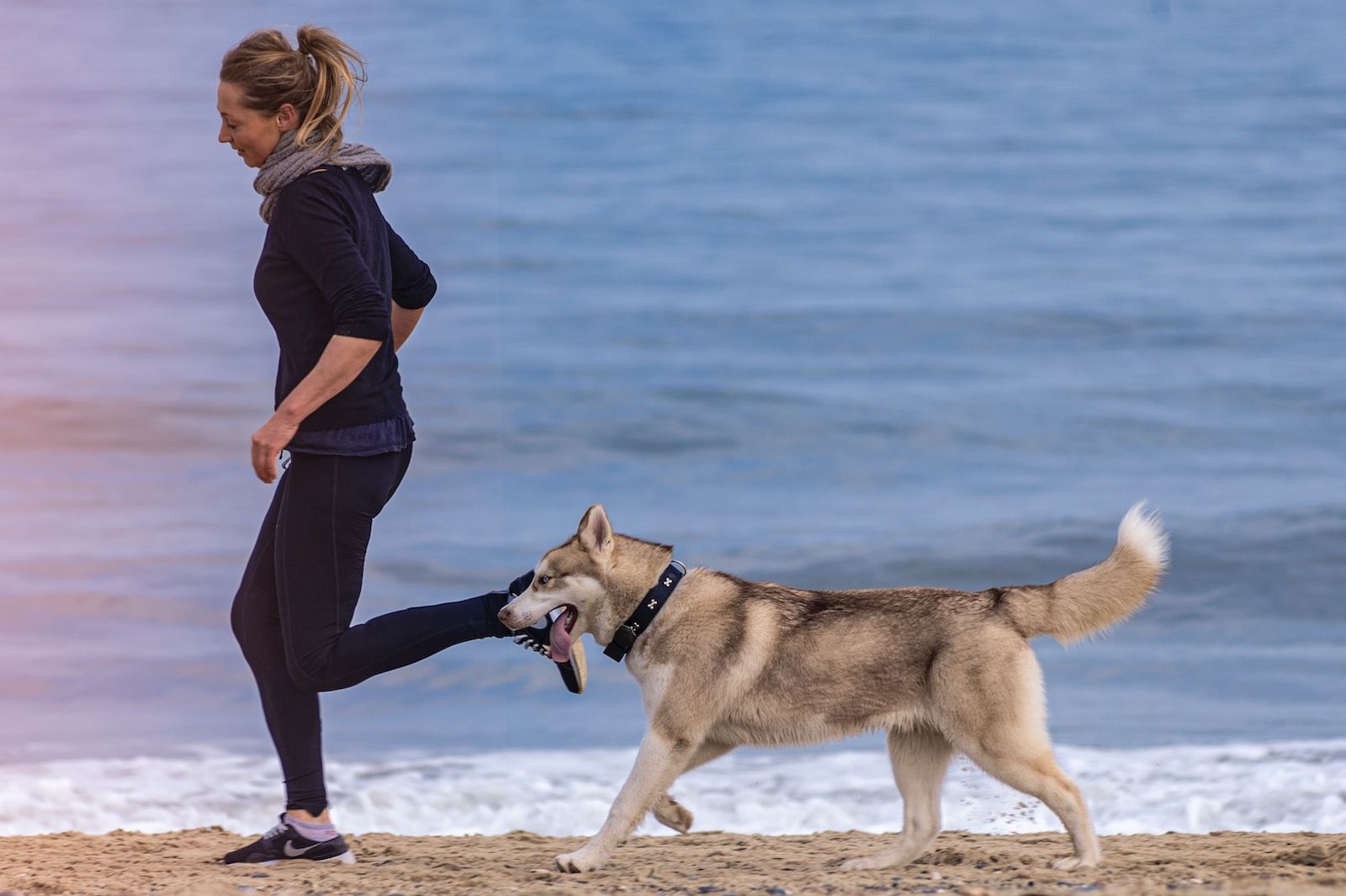
Not all dogs are equally equipped to handle cold weather. The breed of your dog plays a significant role in determining their tolerance to the cold. Dogs that have thick, double-layered coats, such as Huskies, Saint Bernards, and Malamutes, are built for colder climates and are more likely to tolerate winter conditions. On the other hand, dogs with short coats or thin fur, like Chihuahuas, Greyhounds, and Dachshunds, are more vulnerable to the cold and need extra protection.
It’s essential to understand your dog's specific needs based on their breed and size. Dogs with little body fat or short coats are prone to hypothermia and frostbite, so you may need to take extra precautions to keep them warm and comfortable during the winter months.
2. Provide Proper Winter Clothing
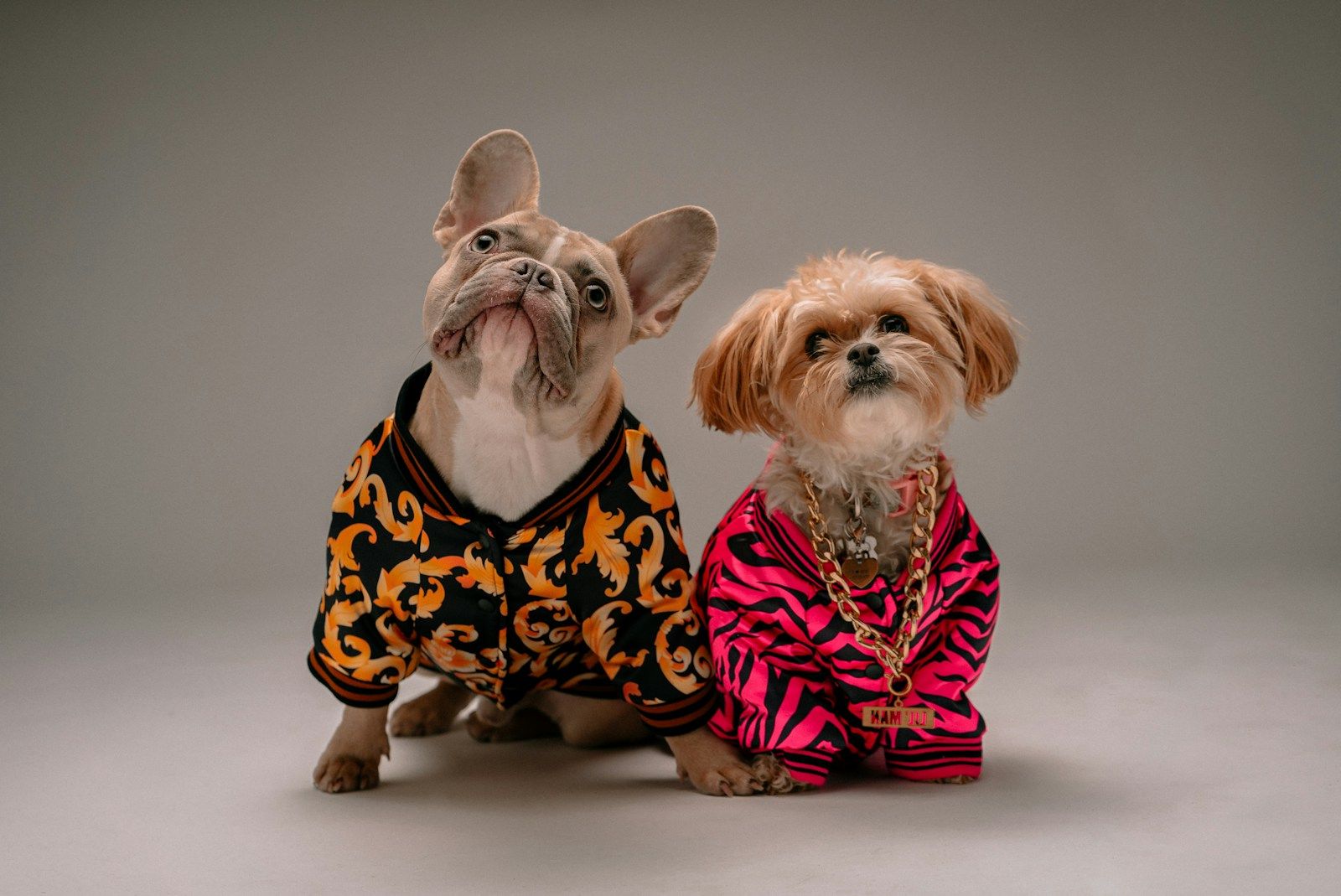
For dogs that are sensitive to the cold, winter clothing can be an excellent way to help them stay warm while still enjoying outdoor activities. Dog sweaters, jackets, and coats designed specifically for cold weather are available in a range of styles and materials, from fleece-lined jackets to water-resistant coats.
Choosing the Right Winter Gear:
- Coats and Sweaters: Choose a coat or sweater made from insulating fabrics like fleece or wool, which can help keep your dog warm while allowing them to move freely.
- Waterproof Outerwear: If you live in an area that gets a lot of snow or rain, consider a waterproof jacket to protect your dog from getting wet and cold.
- Boots for Paws: Dog boots can be a game-changer, especially for dogs who will be walking on icy sidewalks or snow. Boots protect their paws from the cold, ice, and salt, which can be irritating to their sensitive paw pads.
When choosing winter clothing, make sure it's the right size for your dog and that they are comfortable wearing it. You don't want your dog to feel restricted, so it's important that the clothing fits well without causing any discomfort. You can also train your dog to wear their winter gear by starting with short outings and gradually increasing the length of time they wear the items.
3. Protect Your Dog's Paws
Your dog's paws are particularly vulnerable during the winter months. Walking on snow, ice, and salt can cause irritation and even injury. To protect their paws, take the following steps:
Paw Protection Tips:
- Dog Boots: As mentioned earlier, dog boots are a great way to protect your dog's paws from salt, ice, and cold surfaces. Make sure to get boots that are specifically designed for winter weather, as they will provide traction and prevent slipping.
- Paw Balm: If your dog doesn't like wearing boots, consider applying paw balm or petroleum jelly to their paw pads before heading outside. This creates a barrier that helps prevent cracks, frostbite, and dryness.
- Regular Paw Checks: After each walk, inspect your dog's paws for any signs of injury, ice buildup between their toes, or irritation from salt and chemicals. Clean their paws with warm water and dry them thoroughly. If you notice any cuts or blisters, treat them promptly.
If your dog is walking on icy sidewalks or in snow, they may also be at risk of slipping or falling, so take extra care in choosing walking routes that are less slippery.
4. Keep Them Active and Engaged
Even in winter, dogs still need regular exercise to stay healthy, both physically and mentally. However, cold temperatures can make outdoor walks less enjoyable, especially for dogs that aren't used to the cold. If the weather outside is too harsh, consider alternatives to keep your dog active:
Indoor Activities:
- Interactive Toys and Puzzles: When it's too cold to go outside, use puzzle toys that challenge your dog to work for their food. These toys are excellent for mental stimulation and can keep your dog entertained for hours.
- Tug-of-War and Fetch: Play games like tug-of-war or indoor fetch in a safe, spacious area inside your home. This helps burn off excess energy when the weather isn't conducive to outdoor activities.
- Obedience Training: Winter is an excellent time to work on obedience training, teaching your dog new tricks, or reinforcing old ones. This keeps them mentally sharp and provides an excellent bonding experience.
Outdoor Exercise:
If the weather isn't too extreme, you can still take your dog for walks, but be sure to keep them short and frequent. Aim to walk during the warmest part of the day and watch for any signs of discomfort, such as shivering or reluctance to walk. If your dog enjoys snow, try playing fetch in the snow or taking them to a dog park with a secure, enclosed area.
5. Monitor Your Dog's Diet
In the winter, dogs may need additional calories to maintain their body temperature, especially if they spend a lot of time outside. Make sure to feed your dog a high-quality diet that meets their nutritional needs during the colder months.
Winter Feeding Tips:
- Increase Calories for Active Dogs: If your dog is particularly active during the winter months (such as dogs that work outdoors or go on extended hikes), they may need more calories to fuel their activities and keep them warm.
- Maintain Hydration: Cold weather can cause dehydration, as dogs may drink less water when it's chilly outside. Make sure to provide fresh water at all times, even during walks or outdoor activities. If your dog is reluctant to drink cold water, try warming it up slightly or adding a little low-sodium broth for flavor.
It's important to consult with your veterinarian if you have any concerns about your dog's weight or diet during the winter. They can provide tailored advice based on your dog's size, breed, and activity level.
6. Create a Warm, Comfortable Indoor Space
When it's too cold outside, your dog will likely spend more time indoors. Make sure their indoor environment is warm and comfortable. Dogs, especially those with shorter coats, can become chilled quickly, so it's important to provide a cozy resting space.
Indoor Comfort Tips:
- Bedding: Provide a soft, insulated bed in a quiet, warm area of your home. Keep your dog away from cold floors, drafty windows, and doors. If you have tile or hardwood floors, consider adding an extra layer of bedding or a rug to keep them off the cold ground.
- Heating: If you have central heating, ensure the temperature in your home remains comfortable for your dog. However, be cautious with space heaters or fireplaces, as they can get too hot and pose a risk of burns or fire. Keep heating sources out of reach.
- Avoid Overheating: While it's essential to keep your dog warm, be mindful not to overheat them indoors. Make sure there's adequate ventilation, especially if you're using space heaters or other heat sources.
7. Watch for Signs of Cold-Weather Illnesses
Cold weather can pose serious risks to your dog's health, especially if they're exposed to freezing temperatures for extended periods. Hypothermia and frostbite are two conditions that can affect dogs in extreme cold, and it's essential to know the symptoms and take action immediately if needed.
Hypothermia:
Signs of hypothermia in dogs include shivering, lethargy, weakness, slow breathing, and a lack of coordination. If you suspect your dog has hypothermia, get them indoors immediately and warm them up by wrapping them in blankets or using a heating pad set on low.
Frostbite:
Frostbite can affect your dog's ears, paws, and tail. Early signs include pale or discolored skin, swelling, and blisters. If you notice any of these symptoms, warm your dog's affected areas gently with warm (not hot) water, and seek veterinary care immediately.
If you live in an area with extreme cold, be cautious about how long your dog spends outside and always keep a close eye on their behavior.
8. Regular Veterinary Care During Winter
It's always a good idea to schedule a check-up with your veterinarian before the winter months set in. Your vet can check your dog's overall health, including their heart, joints, and respiratory system, to ensure they are well-prepared for cold weather.
Older dogs or those with pre-existing medical conditions, such as arthritis or respiratory issues, may need extra care in the winter. Your vet may recommend specific supplements, medications, or treatments to keep your dog comfortable during the colder months.
Caring for your dog in cold winter weather requires special attention, but with the right precautions, you can ensure that your dog remains healthy, safe, and happy throughout the season. From providing appropriate clothing and paw protection to keeping them active and engaged indoors, there are many ways to make sure your dog enjoys the winter as much as you do. Remember to monitor their health closely, adjust their diet as needed, and always be mindful of the risks of extreme cold. By staying informed and prepared, you can provide your furry friend with a winter that's as cozy and enjoyable as possible.

Leave a Reply