
As the winter months approach, it's important to ensure that your dog stays comfortable and warm, especially when they spend a lot of time in their bed. Just like us, dogs are sensitive to cold temperatures, and their sleeping environment plays a crucial role in maintaining their overall well-being. Whether your dog is a small breed, an older dog, or a short-haired dog, keeping their bed warm during winter can help them stay cozy and healthy. In this article, we'll explore various strategies and tips for making your dog's bed a warm, inviting place during the colder months.
Why is Keeping Your Dog's Bed Warm Important?
Before we dive into the specifics, let's first understand why keeping your dog's bed warm is essential. Dogs are more likely to feel the cold during winter due to various factors such as their size, coat, and age. Smaller dogs, senior dogs, and those with thin coats are especially susceptible to the cold, which can lead to discomfort and even health issues like joint pain or respiratory problems. A cold bed can cause your dog to have restless sleep or worse, contribute to health issues like muscle stiffness and arthritis flare-ups.
Keeping your dog's bed warm not only promotes comfort but also helps in better sleep quality, improved circulation, and a reduction in cold-related health risks. Providing a cozy environment is a great way to pamper your pet while also ensuring they remain healthy and happy throughout the winter months.
1. Choose the Right Bed for Winter
The foundation of creating a warm and cozy sleeping space starts with the bed itself. Not all dog beds are created equal, and some are better suited for colder climates than others. When selecting a dog bed for winter, consider the following factors:
Material Matters
Choose a bed that is made of materials designed to trap warmth. Beds with plush, soft fabrics like fleece, faux fur, or memory foam can provide extra insulation. These materials also offer comfort by cushioning your dog's joints, making them a perfect choice for older dogs or those with arthritis.
Avoid beds made from thin materials or ones with low insulation as these can allow heat to escape and make your dog feel colder. A bed with raised sides can also provide additional warmth by helping to trap heat around your dog's body.
Heated Beds
If you live in a particularly cold climate, investing in a heated dog bed may be worth considering. Heated beds typically use low-voltage electric heating elements to gently warm the bed to a comfortable temperature. They're a great option for dogs who are particularly sensitive to the cold. Just be sure to choose a bed with built-in safety features, such as automatic shutoff or overheat protection, to ensure it's safe for your pet.
Some heated beds are designed to be plugged in, while others use thermal technology, which absorbs and reflects your dog's body heat. These non-electric heated beds can be an excellent option if you're concerned about the safety of electrical devices around pets.
2. Add Extra Bedding and Blankets
Even with a great winter dog bed, adding extra layers of bedding can help keep your dog even warmer. Just as you might add an extra blanket to your own bed in winter, consider doing the same for your dog. Here are some ideas:
Blankets
Adding a soft, warm blanket on top of your dog's bed can help provide an extra layer of insulation. Choose blankets made from thick materials such as fleece or wool, as these fabrics trap heat more effectively. You can also consider an electric blanket designed for pets, but make sure to monitor your dog while it's in use.
Bedding Inserts
If your dog's bed is a removable cover style, you can add additional bedding inserts, such as a memory foam cushion or a heated pad that sits underneath the bed’s cover. These additions can help regulate the temperature by adding extra warmth.
DIY Options
If you want a budget-friendly way to add warmth to your dog's bed, consider using old sweaters or towels as inserts. You can repurpose these household items to create a makeshift heated bed. Just make sure they are clean and safe for your dog to snuggle with.
3. Use Heat Retaining Mats or Pads
Another excellent solution for keeping your dog's bed warm is using heat-retaining pads or mats. These pads work by absorbing your dog's body heat and reflecting it back to them, creating a warmer environment. There are many different types of heat-retaining products available, including:
Microwaveable Pads
Some heat pads are microwaveable and provide a burst of warmth that lasts for hours. Simply heat them up in the microwave and place them in your dog's bed. These pads are typically safe for dogs and do not require any electricity.
Self-Warming Mats
Self-warming mats are designed to retain and reflect heat back to your pet's body. These pads don't require any power and are a great eco-friendly option. Made with insulating materials like Mylar, they work by using your dog's body heat to warm up the mat, keeping them cozy without electricity.
Gel Pads
Gel pads are another option that works by retaining heat for extended periods of time. These are particularly useful if your dog enjoys burrowing or making a nest in their bed, as the gel inside the pad can help maintain an even temperature throughout the night.
4. Keep Your Home Warm
While making sure your dog's bed is cozy is important, the temperature of your home also plays a significant role. Dogs who live in colder homes will naturally feel the chill, no matter how cozy their bed is. To maintain a warm environment for your dog, consider the following tips:
Increase the Home Temperature
If you have a heating system, ensure that your home is kept at a comfortable temperature. A thermostat-controlled heater can help maintain a consistent warmth in your home. It's also helpful to use space heaters in colder rooms where your dog spends a lot of time, such as the living room or their designated sleeping area.
Close Off Drafty Areas
Dogs, particularly those with thin coats or smaller bodies, are sensitive to drafts. Close any windows or doors that let in cold air, and consider using weatherstripping or draft stoppers to keep the warmth inside. Keep your dog's bed away from drafty windows, doors, or uninsulated areas.
Use Heating Pads or Blankets in Specific Rooms
If your home has a chilly room where your dog likes to rest, a heated pet pad or a small space heater can work wonders. Just be sure that your dog can move away from the heat source if it gets too warm.
5. Encourage Nesting Behavior
Dogs have an instinctual need to create a cozy spot for themselves, especially in cold weather. Encouraging this nesting behavior can help them stay warm and comfortable. Here are a few tips to help your dog stay cozy:
Soft Bedding
Provide soft, cushy bedding that your dog can burrow into. Many dogs like to dig and nest before settling down, so ensuring their bed has enough material to create a warm, enveloping space will help them feel more secure and comfortable.
Burrowing Blankets
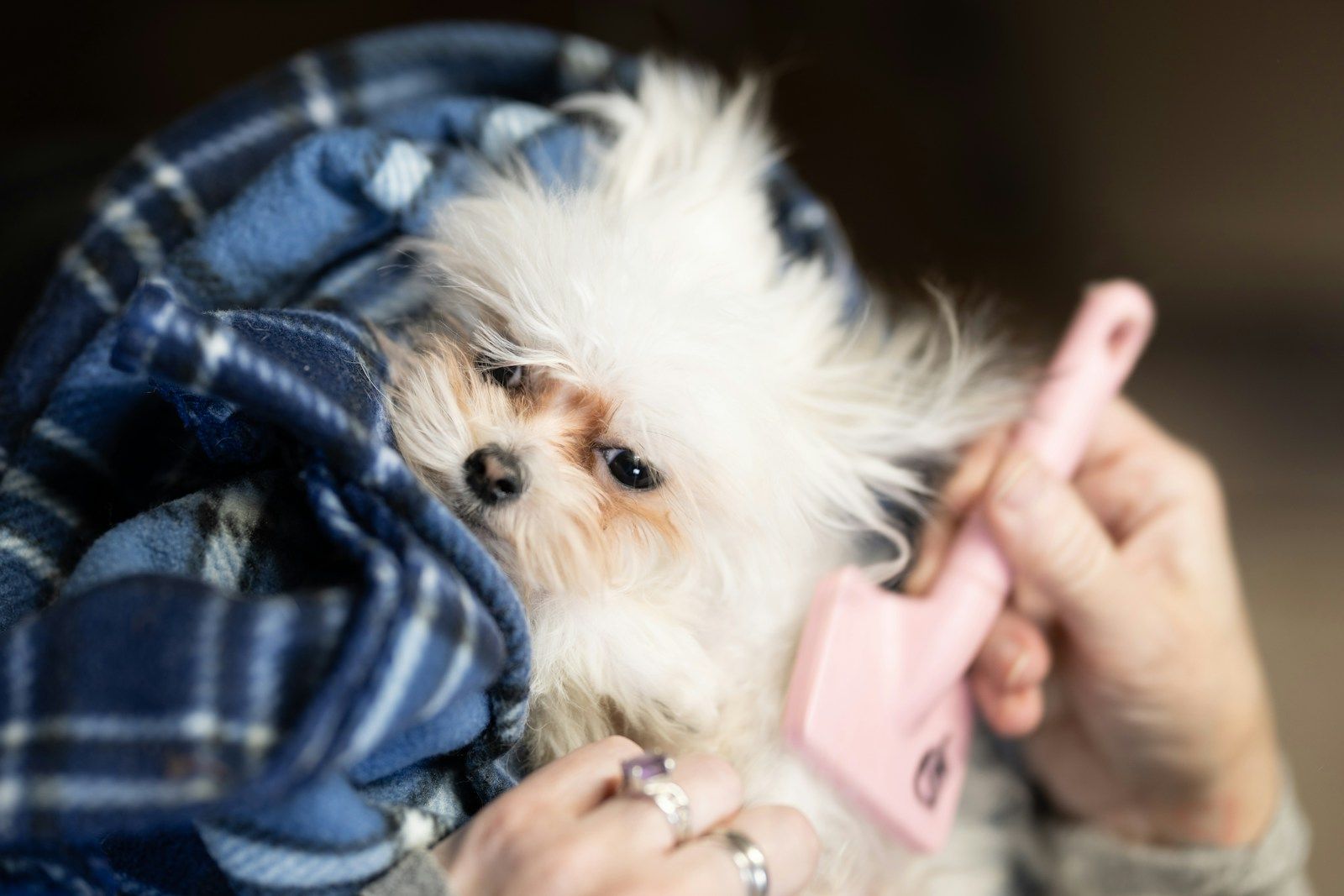
Some dogs enjoy burrowing under blankets, so offering one or two small, dog-friendly blankets for them to tuck into can be beneficial. These blankets can also serve as a way for your dog to regulate their own warmth as they move under them.
6. Keep Your Dog's Coat Well-Maintained
A well-groomed dog will stay warmer than one with matted fur or a dirty coat. Regular brushing can help remove tangles and mats that trap moisture and cold air. Additionally, keeping your dog's coat clean will allow them to maintain their body heat more efficiently.
For short-haired dogs or those who are particularly sensitive to the cold, consider using a doggy sweater or coat when they're outside to protect them from the winter chill. These accessories can help keep them warm while they play or walk outside, making it easier for them to stay comfortable when they return to their bed.
As the temperature drops, it's essential to create a cozy, warm space for your dog to rest and recover. By choosing the right bed, adding extra bedding, and using heat-retaining products, you can ensure that your dog stays comfortable throughout the winter months. Additionally, maintaining a warm home environment and encouraging your dog to nest can further contribute to their comfort.
Whether it's through heated beds, self-warming mats, or simple blankets, there are many ways to make your dog's bed a sanctuary of warmth. By taking these steps, you're not only providing them with a cozy resting place but also helping to maintain their overall health and happiness during the colder months. With a little attention to detail, you can ensure your dog's comfort and give them the peaceful, restful sleep they deserve all winter long.

Leave a Reply