As winter settles in and temperatures drop, it's important to keep your dog safe and comfortable during the cold weather. While many dogs are built to withstand chilly temperatures, others may need extra care to protect them from the harsh elements. Just like humans, dogs can suffer from frostbite, hypothermia, and other cold-related issues if they aren't properly cared for in the winter months. Whether you have a small dog, a senior dog, or a breed that is more sensitive to cold, understanding how to keep your pup warm is essential for their health and well-being.
In this article, we'll explore several essential tips for keeping your dog warm and safe during the winter season, ensuring that your furry friend remains happy, healthy, and cozy through the cold months.
1. Understand Your Dog's Breed and Cold Tolerance
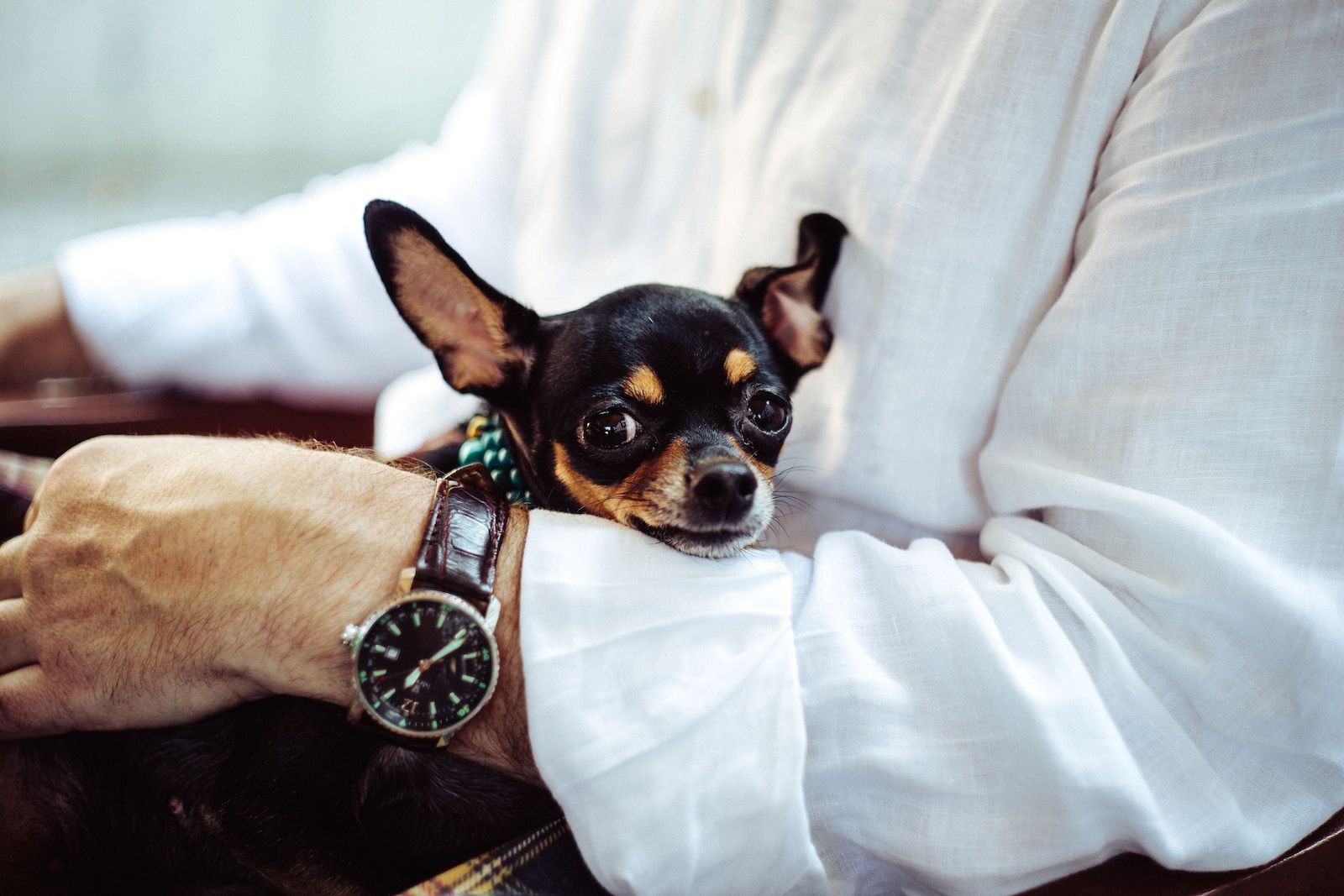
The first step in keeping your dog warm is understanding their breed and how they handle the cold. Some dogs are better equipped to handle cold weather due to their thick fur coats, while others may struggle to stay warm in lower temperatures. For example, breeds like the Siberian Husky, Alaskan Malamute, and Saint Bernard have dense coats designed to keep them warm in freezing temperatures. On the other hand, smaller or short-haired breeds, such as Chihuahuas, Dachshunds, or Greyhounds, are more susceptible to the cold and may need extra layers of protection.
2. Limit Time Outdoors
While some dogs enjoy playing outside in the snow, it’s important to limit their exposure to extremely cold weather. If the temperature drops below freezing (32°F or 0°C), it's crucial to keep your dog indoors as much as possible. Prolonged exposure to the cold can lead to frostbite or hypothermia, both of which can be life-threatening.
If your dog needs to go outside for bathroom breaks, try to keep these trips short. For breeds sensitive to the cold, consider using a winter coat or sweater to provide extra warmth during their outdoor time. Remember, even dogs that enjoy the cold should not be left outside for extended periods during harsh winter weather.
3. Dress Your Dog in a Cozy Winter Coat or Sweater
Just like humans wear coats to protect themselves from the cold, dogs""especially smaller, short-haired, or older dogs""can benefit from wearing winter clothing. A well-fitted coat or sweater can help retain body heat, keeping your dog warm when they venture outside. Look for coats that are insulated, waterproof, and have reflective strips for visibility in low-light conditions.
When choosing winter gear for your dog, consider their comfort and mobility. Some dogs may not be used to wearing clothes, so it’s important to choose an outfit that doesn’t restrict their movement. Additionally, ensure the clothing is breathable to avoid overheating indoors. For extra warmth, consider dog boots, which protect their paws from icy surfaces and snow.
4. Protect Your Dog's Paws
One of the most vulnerable parts of your dog's body in winter is their paws. Snow, ice, and salt can cause discomfort, cracking, and even injury to their paw pads. To protect their paws from the cold and harsh conditions, consider these tips:
- Boots: Invest in a pair of dog boots to protect your dog’s paws from the salt and ice. They provide insulation and prevent the paws from getting too cold, as well as offering protection from harmful chemicals used to melt ice on roads and sidewalks.
- Paw Wax: If your dog refuses to wear boots, consider applying a protective paw wax. This wax forms a barrier that helps shield their paws from ice, salt, and harsh surfaces.
- Clean Paws After Walks: After your dog has been outside, wipe down their paws with a damp towel to remove any salt, ice, or chemicals. This can help prevent irritation or injury from buildup. Make sure to dry their paws thoroughly to avoid moisture getting trapped between their pads, which can lead to frostbite.
5. Provide a Warm, Cozy Indoor Space
During winter, it’s especially important to create a warm and cozy indoor environment for your dog. Cold floors, drafty windows, or poorly heated rooms can make your pup uncomfortable, even when they're indoors. Here are some steps you can take to ensure your dog has a warm resting place:
- Comfortable Bedding: Set up a warm, soft bed in a quiet corner of the home, away from drafts and cold windows. You can use heated pads designed for pets or electric blankets for extra warmth, but make sure they're safe and used according to the manufacturer’s instructions.
- Space Heater or Heating Pad: If your dog sleeps in a room that’s colder, consider using a space heater or a pet-safe heating pad to provide extra warmth. Ensure that the space heater is placed in a safe location, out of your dog’s reach, to prevent accidents.
- Avoid Cold Drafts: Check your home for any cold drafts, especially near windows and doors. Close any gaps or cracks where cold air may enter, and keep your dog's resting area away from direct contact with cold surfaces.
6. Adjust Their Diet for Extra Energy
In cold weather, dogs burn more energy to maintain their body heat, especially when they are outside. To help keep them warm, you may need to adjust their diet. Here are a few ways to provide them with the necessary nutrients to stay healthy and warm:
- Increase Their Caloric Intake: If your dog spends a lot of time outdoors, consider increasing their caloric intake during the winter months. This will help them generate more energy to maintain body heat. You can provide extra protein or fat in their meals, but always consult your veterinarian before making significant dietary changes.
- Offer Warm Meals: Some dogs may enjoy a warm meal on a cold day. You can slightly heat their food (make sure it's not too hot) to provide extra comfort and warmth. Additionally, try adding a bit of warm water or low-sodium broth to their food for hydration and warmth.
7. Keep Them Hydrated
Although your dog may not be as thirsty in winter as they are during warmer months, it’s still crucial to ensure they stay hydrated. Dehydration can occur in cold weather just as easily as in hot weather, so always provide fresh water. Avoid leaving water bowls outside, as they can freeze quickly, especially during extreme cold spells. Instead, offer your dog fresh water indoors at all times.
8. Monitor Your Dog's Health and Behavior
As winter progresses, pay close attention to any changes in your dog's behavior or health. If your dog seems lethargic, shivers excessively, or shows signs of frostbite (such as discolored or numb areas on their ears, paws, or tail), these could be signs that they're too cold and need to be brought indoors immediately.
Frostbite can be dangerous, so if you notice any symptoms, warm the affected area gently (avoid using hot water or direct heat) and contact your veterinarian as soon as possible. Similarly, if you notice your dog acting abnormally, shivering, or experiencing difficulty moving, consult your vet to ensure they are not suffering from hypothermia.
9. Avoid Overexertion in the Cold
While winter can be a great time for outdoor play and walks, be mindful not to overexert your dog. Cold weather can be hard on older dogs or dogs with certain health conditions, so be sure to take shorter, more frequent walks rather than long, strenuous outings. Pay attention to your dog's energy level and watch for signs of fatigue, especially in icy conditions where slipping can lead to injury.
10. Stay Informed About Weather Conditions
Lastly, it's essential to stay informed about the weather conditions in your area. If a major snowstorm or extreme cold front is expected, take precautions to keep your dog indoors as much as possible. Snow and ice can pose hazards to both you and your dog, so make sure you're prepared to keep your dog safe and warm when the weather turns harsh.
Winter can be a challenging time for both you and your dog, but with proper preparation, you can ensure that your furry companion stays warm, safe, and comfortable throughout the season. Whether it's providing them with cozy winter clothing, protecting their paws from ice, or adjusting their diet, small changes can make a big difference in their winter care. By following these essential tips, you can enjoy the season with your dog and help them stay happy and healthy no matter how cold it gets outside.
Leave a Reply