
Summer is a wonderful time for both you and your furry friend to enjoy the great outdoors. However, just like humans, dogs are susceptible to the harmful effects of the sun's ultraviolet (UV) rays. Protecting your dog from sunburn and potential skin damage is crucial, and that’s where dog-friendly sunscreen comes into play. In this article, we'll explore why sun protection is important for dogs, the types of sunscreens available, and how to apply them safely. Let's ensure your dog can enjoy the sunny days without risking their health!
Understanding Sun Exposure Risks for Dogs
Many dog owners may not realize that their pets can suffer from sunburns just like humans. Certain breeds, especially those with short or thin coats, light-colored fur, or pink skin, are more susceptible to sun damage. Common areas affected include the nose, ears, belly, and any other spots where the fur is thin. Overexposure to UV rays can lead to skin irritation, pain, and even contribute to long-term issues like skin cancer.
The Importance of Protecting Your Dog's Skin
Your dog's skin is the largest organ in their body and acts as a barrier against environmental hazards. Sunburn can compromise this barrier, leading to more serious health problems. UV rays penetrate the skin, causing damage at the cellular level. Repeated exposure without protection can increase the risk of skin cancer, including malignant melanoma, squamous cell carcinoma, and hemangiomas.
Choosing the Right Sunscreen for Your Dog
Selecting the right sunscreen for your dog is crucial. Not all sunscreens are safe for pets. Human sunscreens often contain chemicals like zinc oxide and para-aminobenzoic acid (PABA) that can be toxic to dogs if ingested. Therefore, it’s important to choose a sunscreen specifically formulated for dogs.
What to Look for in Dog Sunscreen
- Dog-specific formulation: Ensure the product is labeled safe for canine use.
- Broad-spectrum protection: Look for sunscreens that protect against both UVA and UVB rays.
- Water-resistant: If your dog loves swimming, a water-resistant sunscreen is essential.
- Non-toxic ingredients: Check for natural ingredients and avoid harmful chemicals.
Always conduct a patch test before applying a new product to your dog to check for any allergic reactions or irritations.
How to Apply Sunscreen to Your Dog
Applying sunscreen to your dog might seem daunting, but with a few simple steps, you can ensure they are well protected. Here's how:
Step-by-Step Application Guide
- Choose a calm environment: Find a quiet place where your dog feels comfortable and relaxed.
- Apply a small amount: Squeeze a small amount of sunscreen into your hand.
- Focus on vulnerable areas: Gently rub the sunscreen onto the nose, ears, belly, and any other exposed areas.
- Reapply as needed: Just like with humans, you'll need to reapply sunscreen every few hours, especially if your dog is swimming or sweating.
Remember, the goal is to cover all the sensitive areas without overloading your dog's skin with too much product.
Expert Insights on Canine Sun Protection
Veterinarians and pet experts emphasize the importance of sun protection, especially for dogs who spend a lot of time outdoors. According to experts, prevention is key. In addition to sunscreen, there are other measures you can take to protect your dog from the sun.
Additional Protective Measures
- Provide shade: Ensure your dog has access to a shaded area at all times.
- Use protective clothing: Consider using UV-protective dog clothing, such as shirts or hats, to cover sensitive areas.
- Avoid peak sun hours: Try to schedule walks and outdoor playtime in the early morning or late afternoon when the sun is less intense.
These additional steps, combined with sunscreen, can significantly reduce your dog's risk of sun-related health issues.
Real-Life Examples of Sun Protection Success
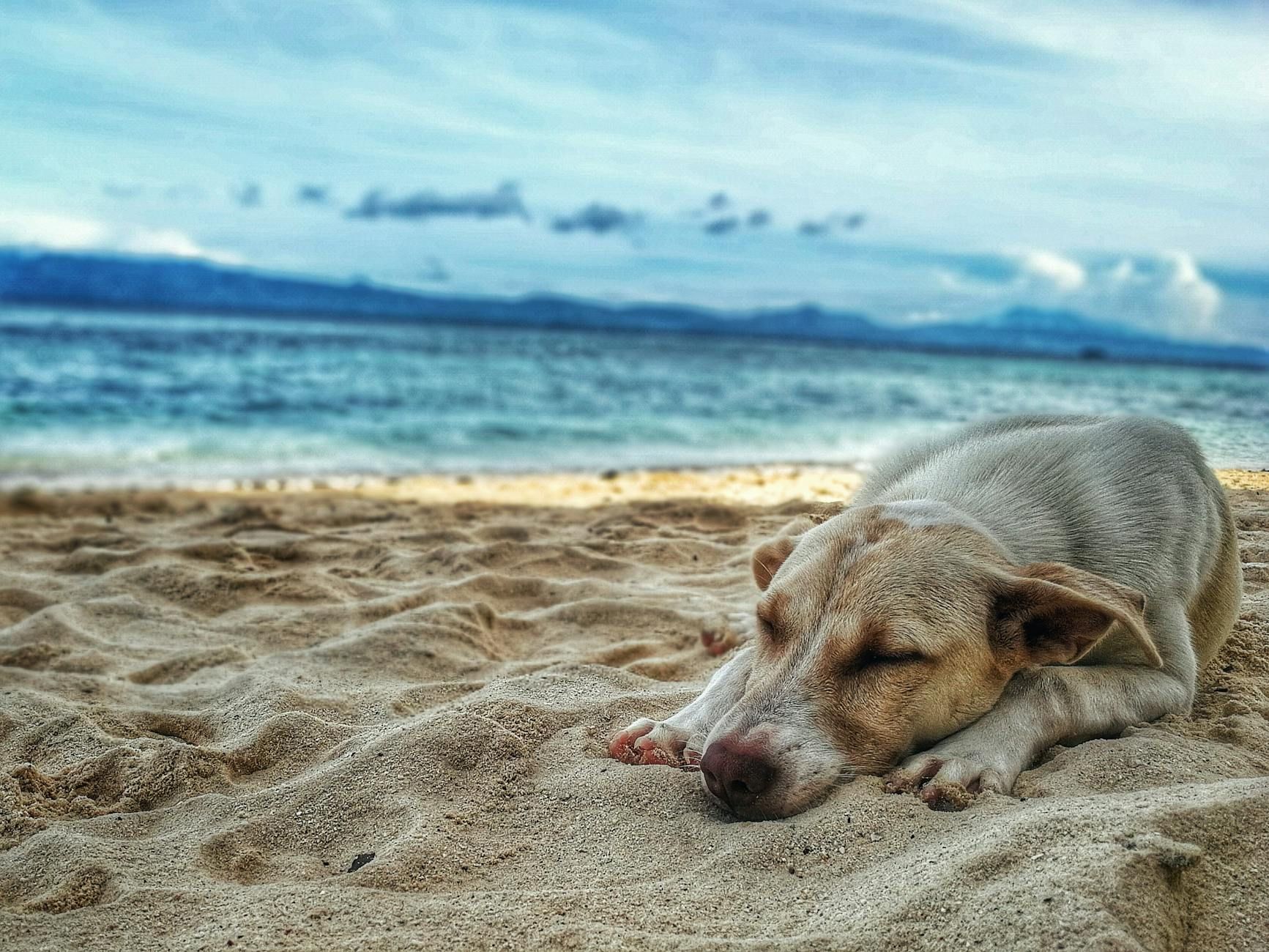
Consider the story of Max, a fair-skinned Labrador who loves the beach. His owner noticed that Max would often return home with a red, irritated nose. After consulting with their vet, they began applying dog-specific sunscreen before each beach outing. Not only did Max stop experiencing sunburn, but he also became more energetic and happy during his playtime.
Case Study: The Benefits of Sunscreen
Another example is Bella, a short-haired Chihuahua who enjoyed sunbathing in the backyard. Bella's owners noticed she was developing dry, flaky skin on her ears. By using a combination of sunscreen and UV-protective clothing, Bella's skin condition improved significantly, and she could safely enjoy her sunbathing sessions.
Additional Considerations for Dog Owners
Sun protection is not a one-size-fits-all approach. Different dogs have different needs based on their breed, coat type, and overall health. Always consult with your veterinarian to determine the best sun protection strategy for your specific pet.
Consider Your Dog's Lifestyle
If your dog is highly active and spends a lot of time outdoors, they may require more frequent applications of sunscreen and additional protective measures. On the other hand, indoor dogs with occasional outdoor exposure may need less frequent protection.
Monitoring Your Dog's Skin
Regularly check your dog's skin for signs of sun damage, such as redness, swelling, or unusual spots. Early detection is crucial for preventing more serious health issues. If you notice anything unusual, consult your vet promptly.
Protecting your dog from the sun is an essential part of responsible pet ownership. By understanding the risks, choosing the right sunscreen, and taking additional protective measures, you can ensure your furry friend stays safe and healthy all summer long. Remember, a little preparation goes a long way in keeping those tails wagging happily in the sunshine. Have you tried any of these sun protection methods? Share your experiences and tips with fellow dog owners!
Leave a Reply