For many pet lovers, the joy of having a dog can be overshadowed by allergies. Allergies to pet dander, urine, and saliva are common and can make the idea of owning a dog seem impossible. However, there are hypoallergenic dog breeds designed to minimize allergic reactions. These breeds produce fewer allergens and are often better suited for allergy sufferers. In this article, we'll explore some of the best hypoallergenic dog breeds, their characteristics, and what makes them suitable for those with allergies.
Understanding Hypoallergenic Dogs
Before diving into specific breeds, it's essential to understand what “hypoallergenic” means. While no dog is completely free of allergens, hypoallergenic breeds tend to produce less dander, hair, and saliva, which can help reduce allergic reactions. These breeds typically have hair instead of fur, leading to less shedding and dander dispersal in the home.
It's important to note that individual reactions to dogs can vary significantly. Some people might still have allergies to hypoallergenic breeds, so spending time with a breed before bringing one home is always a good idea.
The Science Behind Dog Allergies
Dog allergies are primarily caused by proteins found in dog saliva, urine, and skin cells. When dogs groom themselves, the saliva spreads onto their fur. As the fur sheds, the proteins can become airborne, leading to allergic reactions in sensitive individuals. Symptoms can range from mild sneezing and itching to more severe reactions, such as asthma attacks.
Research has shown that certain breeds produce fewer allergens than others, which is why hypoallergenic breeds are often recommended for allergy sufferers. By choosing the right breed, you can significantly reduce your exposure to allergens.
Top Hypoallergenic Dog Breeds
Here are some of the best hypoallergenic dog breeds that allergy sufferers might consider:
- Poodle
Sizes: Standard, Miniature, and Toy
Poodles are one of the most popular hypoallergenic breeds. Their curly coat traps dander and hair, preventing it from spreading in the home. Poodles are intelligent, highly trainable, and excel in various activities, including obedience and agility. They are known for their friendly disposition and can adapt to different living situations, making them great family pets. Additionally, Poodles are often used in therapy and service work due to their intelligence and sociable nature.
- Bichon Frise
The Bichon Frise is a small, cheerful breed known for its fluffy, curly coat. Like Poodles, they have hair instead of fur, resulting in minimal shedding. Bichons are affectionate, playful, and great with children. They require regular grooming to maintain their coat and minimize allergens. With their lively personality, they make excellent companions for those with allergies. Bichons also thrive on social interaction, making them a popular choice for families and individuals alike.
- Portuguese Water Dog
This medium-sized breed is known for its wavy, water-resistant coat. Portuguese Water Dogs are energetic, intelligent, and love being active. They were originally bred to assist fishermen, and their strong swimming abilities make them great companions for outdoor enthusiasts. Their hypoallergenic qualities and friendly nature make them a popular choice among allergy sufferers. Furthermore, they are known to be excellent with children and other pets, making them an ideal family dog.
- Maltese
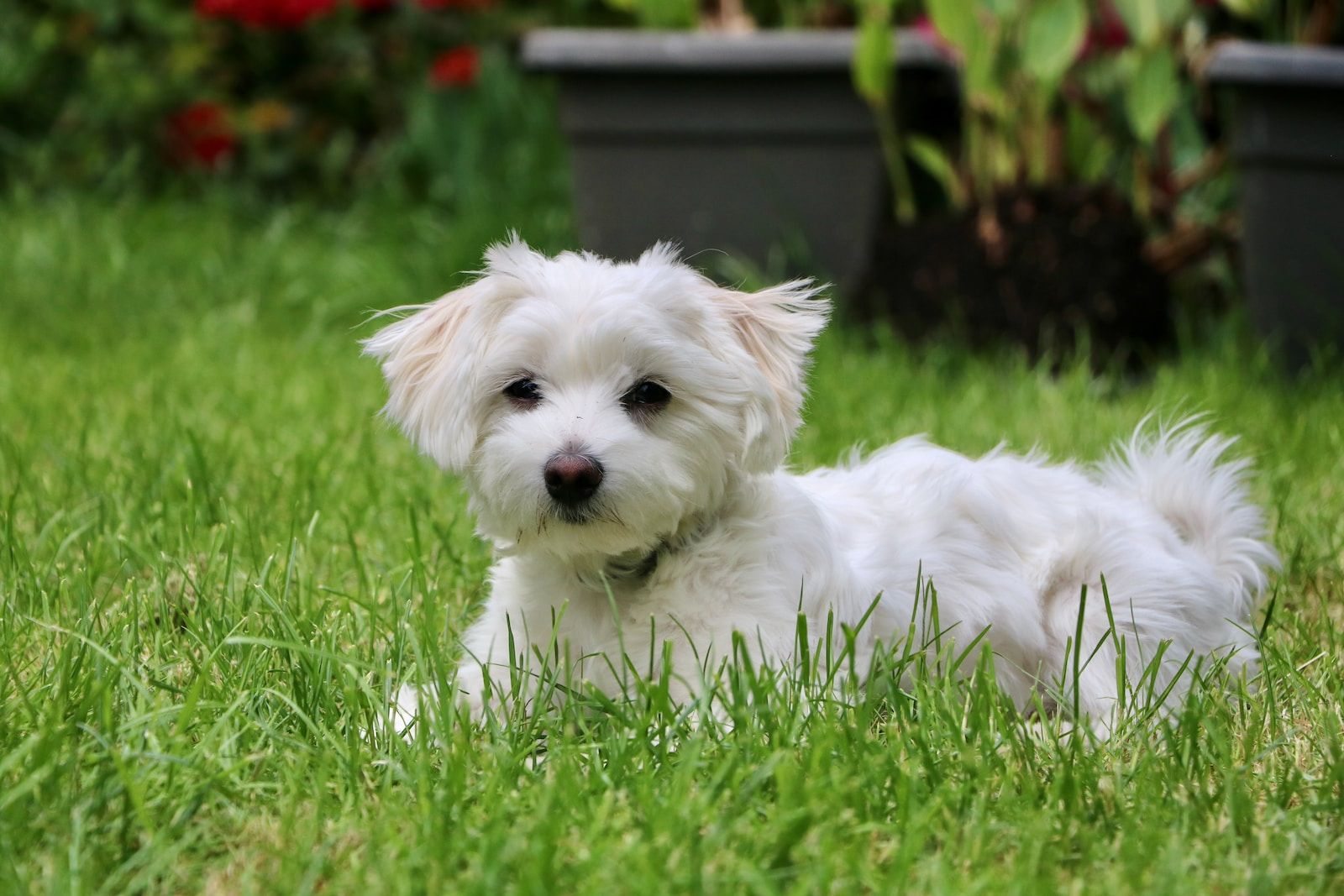
The Maltese is a toy breed known for its long, silky white hair. They don't shed much, which helps to reduce allergens in the home. Maltese dogs are affectionate, playful, and make excellent lap dogs. They thrive on companionship and are great for individuals or families looking for a loving pet. Their small size and charming personality make them perfect for apartment living or smaller homes.
- Schnauzer
Schnauzers come in three sizes: Miniature, Standard, and Giant. All Schnauzers have a distinctive wiry coat that sheds minimally, making them hypoallergenic. They are known for their intelligence, loyalty, and protective nature. Schnauzers are highly trainable and are often used as service dogs due to their keen ability to learn and adapt. Additionally, they tend to form strong bonds with their families and can be quite affectionate.
- Yorkshire Terrier
Yorkshire Terriers, or Yorkies, are small dogs with a long, fine coat. They produce less dander and hair compared to many other breeds, making them a suitable option for allergy sufferers. Yorkies are energetic, affectionate, and require regular grooming to keep their coat in top shape. They are known for their feisty personality and make wonderful companions. Their small stature also makes them adaptable to various living situations.
- Coton de Tulear
The Coton de Tulear is a small breed known for its soft, cotton-like coat. This breed is not only hypoallergenic but also known for its cheerful and affectionate personality. They are friendly and social, making them great family pets. Regular grooming is necessary to keep their coat healthy and minimize allergens. Their loving nature and adaptability make them a popular choice among dog lovers.
- Basenji
Known as the “barkless dog,” the Basenji is a unique breed that produces very little dander. Their short coat requires minimal grooming and shedding is rare. Basenjis are intelligent, independent, and can be quite playful. They are best suited for active families, as they require plenty of exercise and mental stimulation. Their unique vocalizations and spirited nature make them an intriguing choice for dog owners.
- Irish Water Spaniel
The Irish Water Spaniel is one of the least shedding breeds and has a curly coat that helps trap dander. They are friendly, energetic, and love to swim, making them a great choice for active families. With proper training and socialization, Irish Water Spaniels can be excellent companions for those with allergies. Their playful and adventurous spirit adds to their appeal as family pets.
- Labradoodle
A mix between a Labrador Retriever and a Poodle, Labradoodles are known for their friendly and social nature. They often inherit the Poodle’s hypoallergenic coat, making them suitable for allergy sufferers. Labradoodles come in various sizes, depending on the Poodle parent, and are known for their intelligence and trainability. Their friendly demeanor and playful spirit make them excellent companions for families and individuals alike.
Tips for Managing Allergies with Dogs
Even with hypoallergenic breeds, there are steps you can take to minimize allergic reactions:
- Regular Grooming: Regular brushing and grooming of your dog can help reduce dander and hair in your home. Consider scheduling professional grooming sessions if possible. This not only helps with allergies but also keeps your dog looking their best.
- Clean Your Home: Frequent cleaning of your living space can help remove allergens. Vacuum regularly, using a vacuum with a HEPA filter, and wash dog bedding and toys frequently. Keeping surfaces dust-free can significantly reduce allergen levels.
- Designate Dog-Free Zones: Create areas in your home where the dog is not allowed, such as the bedroom, to help reduce allergens in your sleeping area. This can provide a safe haven for allergy sufferers.
- Air Purifiers: Invest in HEPA air purifiers to help filter out pet dander and other allergens from the air. This can improve overall air quality and reduce the chances of allergic reactions.
- Consult an Allergist: If you’re unsure about your allergies or how to manage them, consulting an allergist can provide tailored advice and treatment options. They may recommend specific medications or strategies to help you cope with allergies.
- Consider Hypoallergenic Products: Use hypoallergenic grooming products, shampoos, and cleaners to reduce allergens in your home. This can help create a more allergy-friendly environment.
- Create a Routine: Establish a regular routine for grooming and cleaning to keep allergens in check. Consistency can make a significant difference in managing allergic reactions.
- Monitor Allergic Reactions: Keep track of your symptoms and how they correlate with your interactions with your dog. This can help identify any triggers and allow you to adjust your approach as needed.
The Emotional Benefits of Dog Ownership
Despite the challenges posed by allergies, owning a dog can have numerous emotional and psychological benefits. Studies have shown that interacting with dogs can reduce stress, anxiety, and depression. Dogs provide companionship, love, and loyalty, which can greatly enhance the quality of life for their owners.
Additionally, having a dog encourages physical activity, social interaction, and routine, all of which contribute to overall well-being. The bond between humans and dogs is unique and can provide immense joy and comfort, making the effort to manage allergies worthwhile for many.
Owning a dog can bring immense joy, companionship, and love, even for those with allergies. By choosing a hypoallergenic breed and following some simple management tips, allergy sufferers can enjoy the benefits of pet ownership without compromising their health. Each breed has its unique traits, so consider your lifestyle, activity level, and preferences when selecting the perfect hypoallergenic companion. With the right match, you can create a happy home filled with love and wagging tails!
Finding a hypoallergenic dog breed that fits your lifestyle and preferences can lead to a fulfilling relationship that enhances your life and well-being. Whether you prefer the playful nature of a Labradoodle or the affectionate personality of a Maltese, the right dog can become a cherished part of your family, bringing joy and companionship to your home for years to come.

Leave a Reply