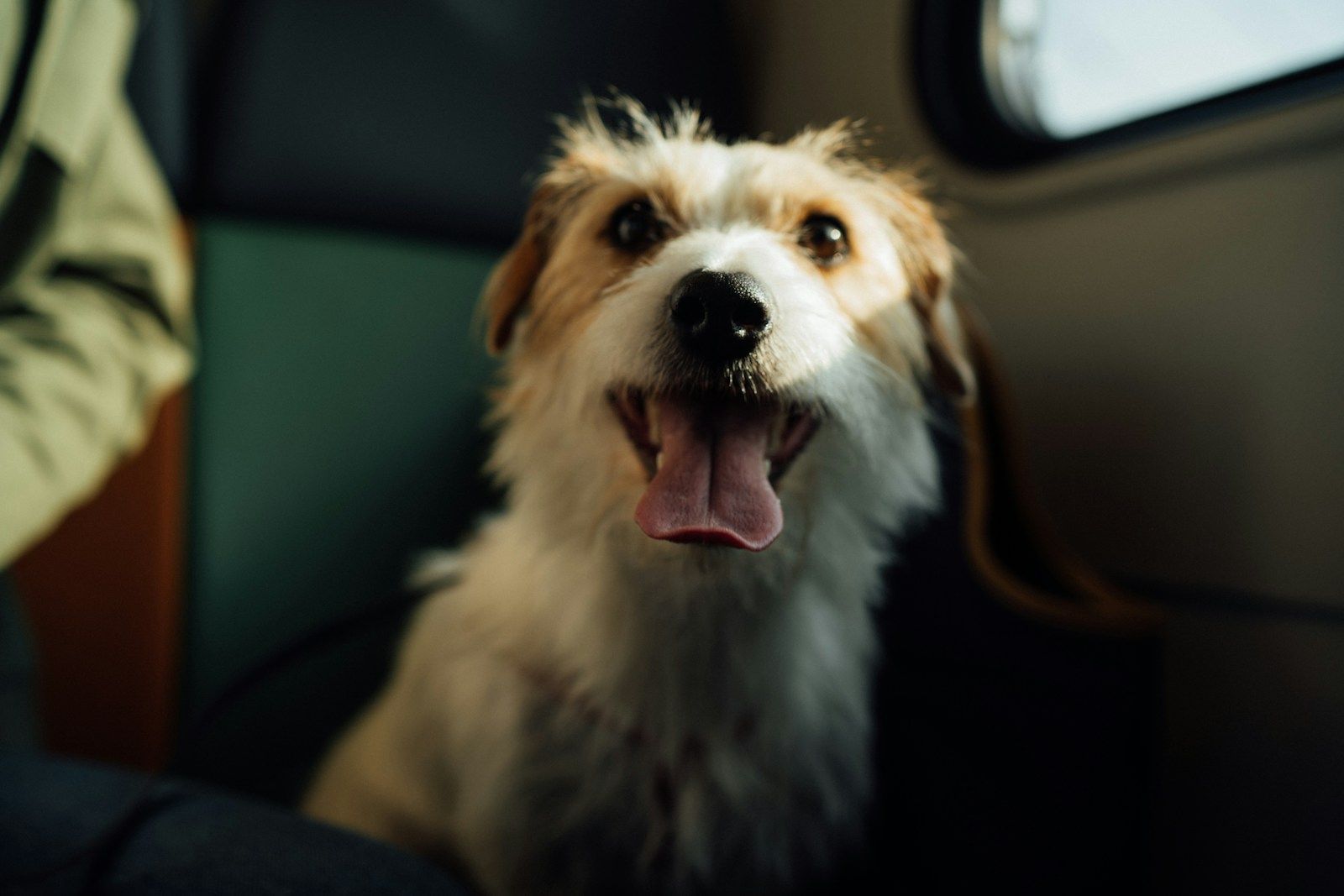
Traveling with dogs has become increasingly popular as more pet owners look to include their furry friends in their adventures. Whether it's a road trip to the beach, a flight to a new city, or a weekend getaway, having your dog along for the journey can make the experience even more enjoyable. However, traveling with dogs requires extra preparation and attention to ensure that both you and your pet have a safe, comfortable, and stress-free experience. In this article, we'll provide you with practical tips and advice for traveling with your dog, covering everything from pre-trip planning to on-the-road tips.
Why Travel with Your Dog?
There are several reasons why taking your dog along on a trip is a great idea. For starters, it's a wonderful bonding experience. Traveling together allows you to create lasting memories and share new experiences with your pet. Dogs are also great companions, offering emotional support and comfort during your journey. Moreover, by traveling with your dog, you can avoid the anxiety and guilt that sometimes comes with leaving your pet behind at a boarding facility or with a pet sitter.
However, traveling with your dog isn't always as simple as just packing your bags. Whether you’re taking a long car ride or hopping on a plane, you'll need to make thoughtful preparations to ensure that your dog is comfortable and well-cared-for throughout the trip.
1. Plan Ahead: Preparing for the Journey
Before embarking on your trip, it's important to do some planning. The key to a smooth travel experience lies in being well-prepared. Here’s how to get ready:
Visit the Vet
One of the first things you should do before traveling is take your dog to the vet. A visit is essential to ensure that your dog is healthy enough to travel and up to date on vaccinations. Your vet may also provide you with a health certificate if you're flying, especially for international trips, as many airlines require it.
If your dog is on any medications, make sure to pack enough for the duration of your trip. If your dog suffers from anxiety or has a history of motion sickness, ask your vet about medications that can help calm them or prevent nausea during the journey.
Update ID and Microchip Information
Ensure that your dog's ID tags are up to date with your current contact information. If your dog is microchipped, verify that the registration details are accurate. This is essential in case your dog gets lost during the trip.
Research Pet-Friendly Accommodations
Before you leave, research pet-friendly accommodations at your destination. Many hotels, Airbnbs, and even campgrounds allow dogs, but policies can vary. Some places charge additional fees for pets or may have specific rules, such as limits on the size or breed of the dog. Make sure to book your stay well in advance and confirm the details with the accommodation provider to avoid surprises.
2. Packing for Your Dog
When traveling with dogs, packing for them is just as important as packing for yourself. Here's a checklist of essential items to bring:
Food and Water
Make sure to pack enough of your dog's regular food for the entire trip, as finding the same brand and type of food at your destination may be challenging. Carry it in an airtight container to keep it fresh. Also, bring a collapsible bowl or water bottle to keep your dog hydrated during the journey, especially if you're traveling by car.
Leash, Harness, and Collar
Your dog should always have a leash on hand for walks and bathroom breaks. A harness can be more comfortable for your dog, especially if they're not used to walking on a collar. Ensure that your dog's collar is properly fitted and includes identification tags with your contact details.
Health and Grooming Supplies
Bring along any grooming tools your dog may need, such as brushes or nail clippers. Additionally, pack your dog's medications (if any), flea and tick prevention, and any first aid supplies, such as bandages, antiseptic wipes, or gauze.
Comfort Items
If your dog has a favorite blanket or toy, bringing it along can help ease anxiety and make them feel more at home. Familiar items can provide comfort in unfamiliar environments and give your dog something to snuggle with during the trip.
Travel Crate or Carrier
A crate or carrier is essential for both safety and comfort, especially if you’re flying. It keeps your dog secure and provides them with a familiar space to relax. Make sure the crate is well-ventilated, big enough for your dog to stand, turn around, and lie down comfortably. If traveling by car, it's also a good idea to secure the crate with a seatbelt to prevent it from shifting.
3. Traveling by Car with Your Dog
Car trips are often the easiest and most convenient way to travel with your dog, but even the most seasoned dog traveler can get restless on long drives. Here are some tips for making the ride as comfortable and stress-free as possible:
Take Regular Breaks
During long car rides, it's important to stop every few hours to let your dog stretch their legs, relieve themselves, and get some fresh air. Take short walks to give them a chance to burn off excess energy. Always keep your dog on a leash when outside of the vehicle, as they may get distracted by new smells and sounds.
Keep Your Dog Secure
For your dog's safety, it's important to restrain them in the car. While some dogs may prefer to roam freely, it's much safer to secure them in a travel crate or use a dog seatbelt harness. This prevents distractions while driving and reduces the risk of injury in case of sudden stops.
Avoid Hot Cars
Never leave your dog alone in a parked car, especially in the summer. Even with the windows cracked, temperatures inside a car can rise quickly and become deadly. If you need to stop for a break or errand, take your dog with you or ensure they are safely settled in a climate-controlled area.
4. Flying with Your Dog
If you're planning to fly with your dog, there are additional considerations to keep in mind. Many airlines allow pets to fly in the cabin or as cargo, but rules and regulations vary.
Contact the Airline
Check with your airline to find out their specific pet travel policies. Some airlines have size restrictions for in-cabin pets, while others may only allow pets to travel as cargo. It's essential to know the requirements well in advance, including crate dimensions, health certification, and vaccination records.
Get Your Dog Used to the Carrier
If your dog isn't already accustomed to traveling in a carrier, start practicing before your trip. Take them on short car rides in the crate to help them get comfortable. The more familiar they are with the carrier, the less stressed they'll be during the flight.
Consider Pet Sedation
While sedation for pets during flights is generally not recommended, some dogs may experience significant anxiety during air travel. Speak with your vet about possible options for calming your dog if necessary, but avoid using sedatives without professional advice, as they can interfere with your dog's ability to adjust to altitude changes and breathing.
5. On Arrival: Settling In
Once you arrive at your destination, it's time to help your dog settle in. Be mindful of the new environment and allow your dog to acclimate slowly.
Stick to Routine
Try to maintain your dog's usual routine as much as possible. Feed them at the same times, take walks as usual, and ensure they get plenty of exercise and playtime. Familiar routines will help your dog feel more at ease in unfamiliar surroundings.
Explore the Area
Once your dog is comfortable, take them on a walk around your new environment. This will allow them to get familiar with the area and help burn off any excess energy. Be aware of local pet rules, such as leash laws and designated dog parks, to keep your dog safe and engaged.
Watch for Stress Signals
It's normal for dogs to feel some stress when in a new environment. Keep an eye out for signs of anxiety, such as excessive barking, drooling, or pacing. If your dog seems anxious, provide them with a safe, quiet space where they can relax and retreat from the new surroundings.
6. Returning Home
After your trip, return home with as much ease as possible. If you're traveling by car, make the return journey similar to the outbound trip by taking breaks and keeping your dog comfortable. If you've been flying, give your dog extra time to recover from the journey and settle back into their usual routine.
Traveling with your dog can be a rewarding experience, but it requires careful planning and consideration. From pre-trip preparations to managing your dog's comfort on the road or in the air, every detail counts to ensure a stress-free journey. By planning ahead, packing the right essentials, and making your dog's safety and comfort a priority, you can enjoy your travels together while creating lasting memories with your furry companion. Whether you're taking a short road trip or an international adventure, traveling with your dog is a fantastic way to share new experiences and strengthen the bond you share.


Leave a Reply