As the temperature drops and snowflakes begin to fall, it's easy to get caught up in the winter wonderland of the season. But for dog owners, winter brings its own set of challenges when it comes to keeping your furry friend happy, healthy, and safe. From the biting cold to the salt-covered sidewalks, winter requires some extra care to ensure your dog remains comfortable and active. Fortunately, with a little preparation, winter can be an enjoyable season for both you and your dog. Here's how to keep your dog safe, warm, and active during the colder months.
1. Protecting Your Dog from the Cold: When Is It Too Cold to Go Outside?
The first and most important consideration during the winter months is your dog's safety when it comes to the cold. Just as we layer up before heading outside, dogs need additional protection from low temperatures, especially those with short coats or smaller body sizes.
Breed Matters
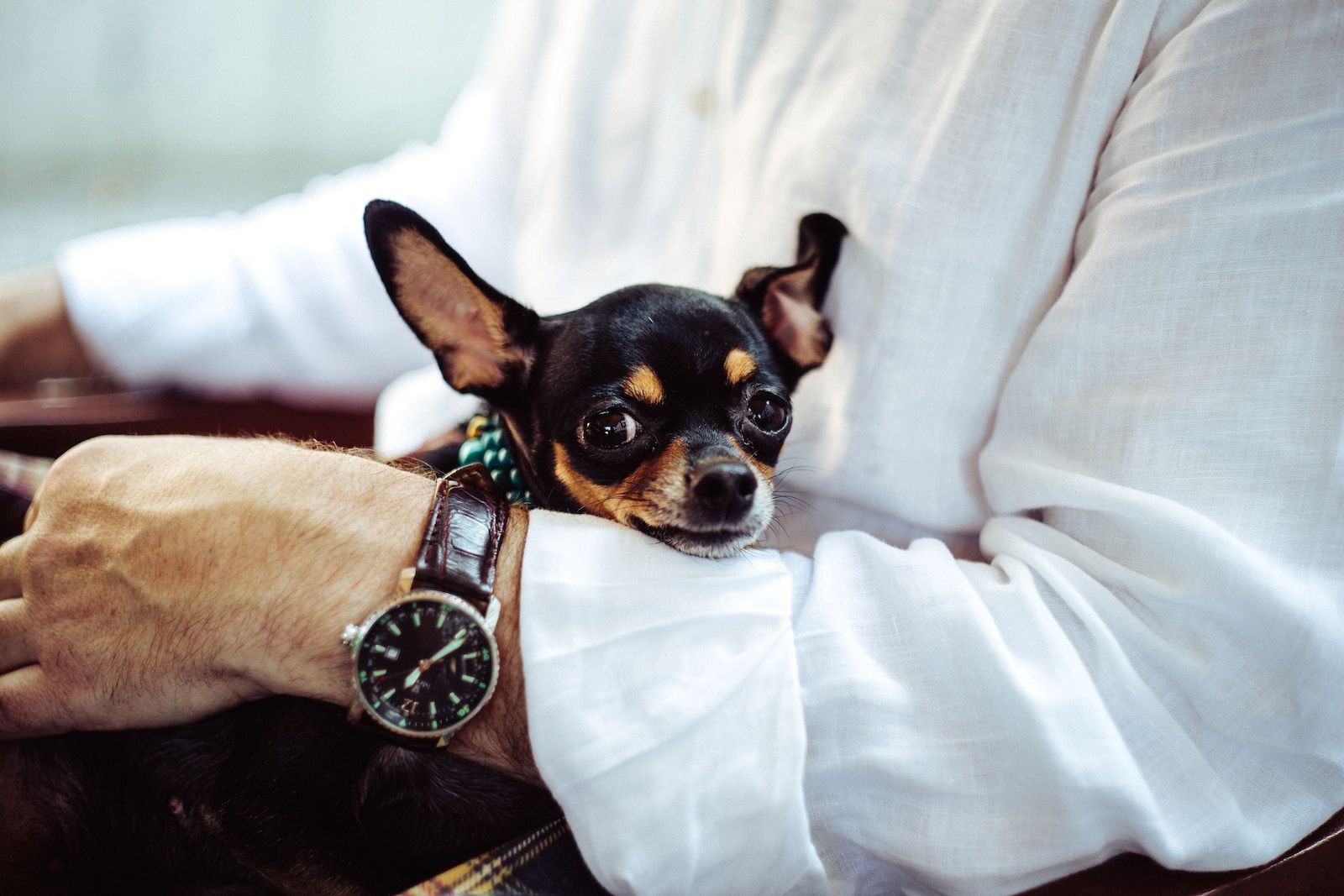
Some dog breeds are better suited for cold weather than others. Huskies, Malamutes, Saint Bernards, and other northern breeds have thick fur coats that help insulate them against the cold. However, smaller dogs or those with short coats, like Chihuahuas, Greyhounds, and French Bulldogs, are more vulnerable to the cold and should be kept inside when the weather turns frigid.
Understanding Cold-Weather Limits
As a general rule, if the temperature drops below freezing (32°F / 0°C), it's time to be extra cautious. However, each dog is different, and factors such as age, health, size, and coat type will influence how cold they can tolerate. If you can see your dog shivering, they're likely too cold, and it's time to head inside. Puppies, senior dogs, and dogs with medical conditions such as arthritis are especially vulnerable to the cold, and they may need extra protection.
2. Winter Wear: Clothing and Accessories for Dogs
If your dog's breed isn't built for winter weather, investing in the right winter gear can make all the difference in keeping them comfortable during outings.
Coats and Sweaters
For smaller dogs or short-haired breeds, a well-fitted dog coat or sweater is essential to help them retain body heat. When shopping for winter dog apparel, look for:
- Water-resistant or waterproof fabrics: These will protect your dog from wet snow and rain.
- Insulated or fleece linings: These materials trap heat and keep your dog warm.
- Proper fit: Ensure the coat covers the dog's chest and belly to protect vital organs. A coat that's too tight or too loose won't provide the necessary insulation.
Some dogs may require boots to protect their paws from the cold, snow, and ice. Winter boots designed for dogs often have rubber soles for traction and waterproofing, keeping their paws dry and warm while preventing salt from irritating their feet.
Dog Boots and Paw Protection
Dog boots can also prevent your dog from getting injured by sharp ice or salt. Salt and other chemicals used to de-ice roads and sidewalks can cause burns on your dog's paws, leading to discomfort or even infection. If your dog isn't a fan of boots, you can use a protective paw balm to keep their pads moisturized and prevent cracking.
After walks, always wipe your dog's paws with a damp cloth to remove any salt, ice, or other harmful substances. For extra protection, you can also apply a layer of paw wax before heading out into the cold.
3. Keeping Your Dog Warm Inside
When it's too cold for outdoor adventures, make sure your dog's indoor environment is cozy and comfortable.
Create a Warm, Comfortable Space
Just like humans, dogs love a warm, cozy spot to rest. Create a designated resting area in your home where your dog can curl up and stay warm. Make sure their bed is elevated off cold floors, as floors can sometimes absorb and radiate cold air. Place the bed in a warm area of the house""preferably away from drafts and heating vents that may dry out the air. Adding an extra blanket or pillow to their bed can give them an additional layer of warmth.
If you have a senior dog or one that's particularly sensitive to the cold, consider investing in a heated dog bed or heated blanket (designed specifically for pets) that will keep them warm and comfortable indoors.
Proper Hydration and Nutrition
Cold weather can be drying, both outside and inside your home. Make sure your dog has access to fresh, clean water at all times. In the winter, dogs may not feel as thirsty as they do in the warmer months, but dehydration is still a concern, especially if your dog is exerting themselves in the snow.
Additionally, consider adjusting their diet during winter months. Cold weather increases a dog's calorie burn, so if your dog is active outside, they may need more calories to stay energized and warm. Be sure to consult with your vet about whether you should adjust your dog's portion sizes or feed them more frequently during the winter months.
4. Keeping Active in Winter: Indoor and Outdoor Activities
Just because the weather is cold doesn't mean your dog should become sedentary. Dogs need exercise year-round to stay healthy, burn off energy, and maintain a happy mood. In the winter, it just requires a little extra creativity and preparation.
Indoor Exercise
If the weather is too harsh to go outside, you can still keep your dog active indoors. Try setting up a play area with toys like balls, ropes, or treat-dispensing puzzles to encourage movement. Tug-of-war, hide-and-seek, and training games can also provide mental and physical stimulation.
Interactive toys are an excellent way to engage your dog's mind and body without needing to go outside. Puzzle toys that require your dog to solve problems to earn a treat can provide hours of entertainment.
Outdoor Play
When the weather allows for it, winter can be a magical time for outdoor play, especially for dogs that love snow. But you must take precautions to ensure your dog's safety. Keep outdoor play sessions short, especially in extreme cold, to avoid frostbite or hypothermia. Avoid going out during the coldest parts of the day, and always monitor your dog for signs of distress such as excessive shivering, whining, or lifting their paws off the ground due to the cold.
If your dog enjoys snow, they may love to chase snowballs or run through the snowdrifts. Just be sure to clear any dangerous debris from the area, like ice chunks, sticks, or glass, to prevent injuries.
Snow Safety Tips
If you live in an area that experiences heavy snow or icy conditions, take extra precautions when walking your dog outside. Always check the ground for ice patches, which can cause slipping. On snowy days, consider using a harness rather than a collar for added control and comfort.
Additionally, be mindful of the temperature and wind chill. Wind can strip away your dog's body heat faster than you might realize. On windy days, limit your dog's exposure to the outdoors and watch for signs of frostbite, especially on exposed areas like ears, paws, and noses.
5. Recognizing the Signs of Winter Health Hazards
While winter can be a fun time for your dog, it also brings potential health risks. Recognizing the early signs of winter-related health problems is essential.
Hypothermia and Frostbite
Hypothermia occurs when a dog's body temperature drops too low, and frostbite can occur when exposed body parts (like ears, paws, and tails) freeze. Symptoms of hypothermia include shivering, lethargy, and difficulty walking. Frostbite signs include pale, gray, or blackened skin, swelling, or ulcers. If you suspect your dog is suffering from either of these conditions, get them indoors immediately and contact your vet.
De-Icer Toxicity
Many de-icing products used on sidewalks and roads are toxic to dogs. If your dog ingests salt or other de-icing chemicals, it can lead to symptoms like vomiting, diarrhea, and lethargy. Always wipe your dog's paws after walks and keep them away from areas where de-icing chemicals are used. If you suspect your dog has ingested harmful substances, contact your veterinarian right away.
6. Winterizing Your Dog's Outdoor Space
If your dog spends time in a yard or outdoor pen, make sure their outdoor space is safe and warm during winter. Provide a shelter or doghouse that is insulated and free of drafts. Add extra bedding inside for warmth and ensure there is enough space for your dog to move around comfortably.
If you have a dog that spends a lot of time outside during winter, consider providing a heated shelter or warming pad to help maintain a comfortable temperature.
Winter can be a wonderful time to bond with your dog, but it does require extra care and attention to keep them safe, warm, and active. By protecting them from the cold, ensuring they stay hydrated and well-fed, and providing opportunities for indoor and outdoor exercise, you can help your dog thrive in the winter months. With the right preparation and mindset, winter can become a season of fun adventures, cozy cuddles, and safe playtime for both you and your dog.

Leave a Reply