Exercising with your dog offers a unique opportunity to improve both your fitness and your furry friend's well-being while strengthening your bond. Whether you're looking to add variety to your workout routine, maintain a healthy lifestyle, or simply spend quality time with your pet, integrating your dog into your exercise regimen can be incredibly rewarding. This comprehensive guide will explore the benefits of working out with your dog, provide a range of activities to enjoy together, and offer tips for ensuring a safe and enjoyable experience.
Benefits of Working Out with Your Dog
1. Improved Physical Health
Working out with your dog benefits both parties, promoting physical health and well-being.
- For You: Regular exercise with your dog can enhance cardiovascular health, strengthen muscles, and aid in weight management. Activities like running, hiking, or playing fetch increase your endurance and overall fitness.
- For Your Dog: Physical activity is crucial for maintaining a healthy weight, building muscle, and ensuring cardiovascular health. It also reduces the risk of obesity-related health issues.
2. Enhanced Mental Well-Being
Exercise is known to boost mood and reduce stress, and sharing these benefits with your dog can improve your mental health.
- For You: Physical activity releases endorphins, which help alleviate stress, anxiety, and depression. The companionship of your dog during workouts can further enhance these positive effects.
- For Your Dog: Regular exercise helps alleviate boredom, reduces anxiety, and prevents behavioral issues. A tired dog is a happy dog!
3. Strengthened Bond
Engaging in physical activities together deepens the bond between you and your dog. It fosters teamwork, improves communication, and reinforces the relationship.
Types of Workouts to Enjoy with Your Dog
1. Running and Jogging
Running or jogging with your dog is a straightforward and effective way to get exercise. Here's how to make it successful:
- Start Gradually: Begin with short, easy runs and gradually increase the distance and intensity. This approach helps prevent injuries and allows your dog to build endurance.
- Use Proper Gear: Invest in a quality leash, harness, or running belt that provides comfort and control. Avoid retractable leashes, as they can be difficult to manage at higher speeds.
- Choose Safe Routes: Select dog-friendly paths with minimal traffic and hazards. Avoid running on hot pavement, which can burn your dog's paw pads.
2. Hiking
Hiking offers both you and your dog a more challenging workout and a chance to explore nature together. Follow these tips for a successful hike:
- Prepare for Terrain: Ensure your dog is comfortable with different types of terrain, including hills and uneven surfaces. Gradually introduce them to new trails to build their confidence.
- Pack Essentials: Bring plenty of water for both you and your dog, snacks, a first aid kit, and a map or GPS device. Consider a dog-friendly backpack or harness to carry supplies.
- Respect Trail Rules: Follow local regulations regarding leash use and trail etiquette. Always clean up after your dog and respect wildlife.
3. Fetch and Frisbee
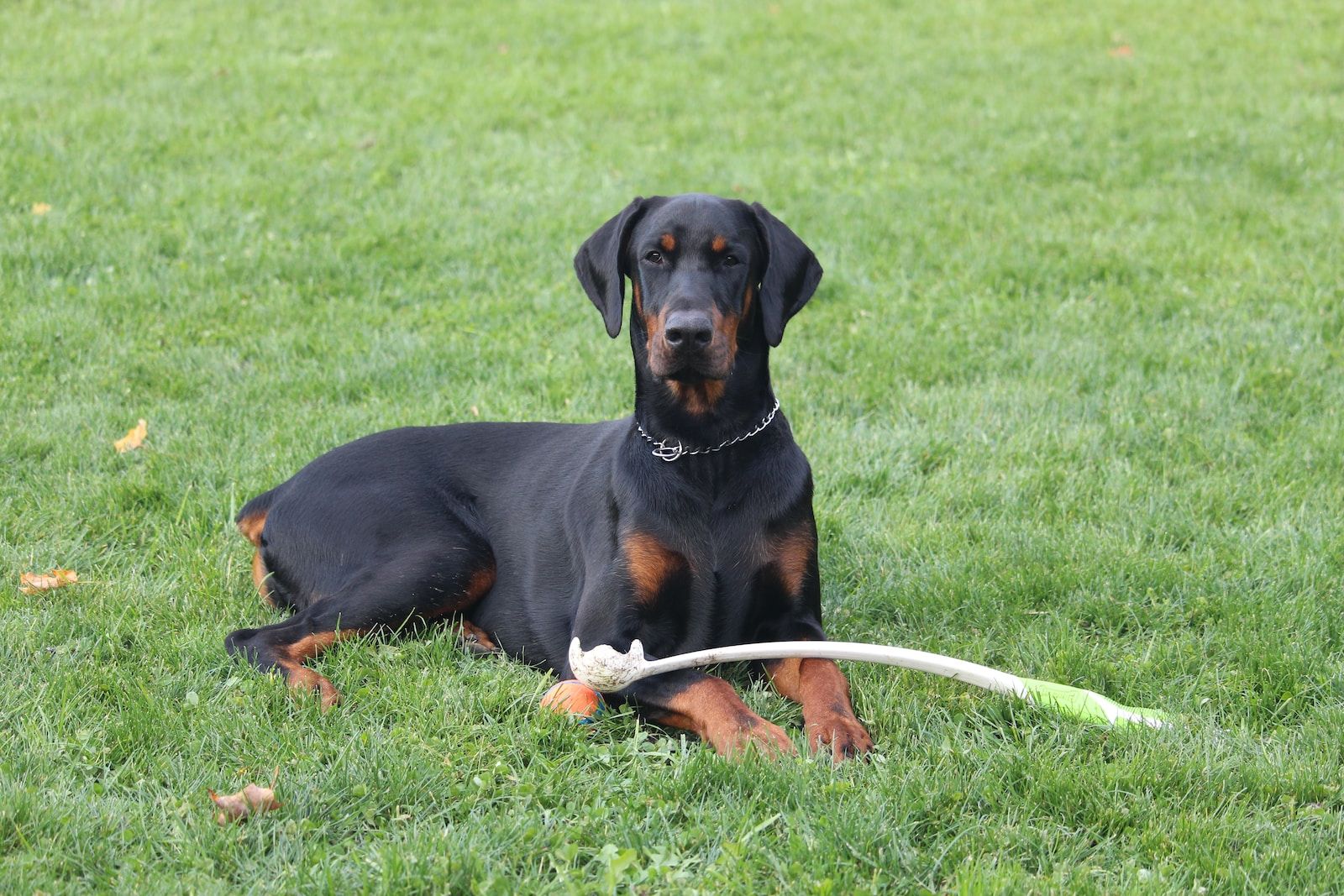
Playing fetch or frisbee is an engaging way to exercise your dog and yourself. Here's how to maximize the benefits:
- Choose the Right Toys: Select durable and safe toys suitable for your dog's size and chewing habits. Avoid toys that could break into small parts or cause choking.
- Use Interval Training: Incorporate short bursts of high-intensity play with periods of rest to increase the workout's effectiveness. This approach helps build endurance and prevents overexertion.
- Be Mindful of Joint Health: For older dogs or those with joint issues, use softer toys and avoid overly vigorous play to prevent injury.
4. Agility Training
Agility training involves guiding your dog through an obstacle course, which provides both physical and mental stimulation. To get started:
- Set Up a Course: Create a simple agility course at home using household items or purchase agility equipment. Start with basic obstacles like tunnels, jumps, and weave poles.
- Start Small: Begin with easy obstacles and gradually increase the difficulty as your dog gains confidence and skill. Use positive reinforcement to encourage and reward your dog.
- Practice Regularly: Consistent practice helps improve your dog's agility and responsiveness. Incorporate agility training into your routine a few times a week.
5. Dog-Friendly Fitness Classes
Some fitness centers and organizations offer classes specifically designed for dogs and their owners. Consider these options:
- Explore Local Classes: Look for dog-friendly fitness classes, such as doga (dog yoga), canine fitness, or group dog training sessions. These classes provide structured activities and socialization opportunities for you and your dog.
- Social Interaction: Participate in classes to meet other dog owners and enhance your dog's social skills. Classes often provide a supportive environment for learning and growth.
Safety Tips for Working Out with Your Dog
1. Assess Your Dog's Health
Before starting a new workout routine, ensure your dog is in good health:
- Veterinary Check-Up: Schedule a visit to the vet to assess your dog's fitness level and discuss any health concerns. Your vet can provide recommendations for appropriate activities and exercise intensity.
- Monitor for Signs of Discomfort: Watch for signs of fatigue, pain, or discomfort during and after workouts. Common symptoms include limping, excessive panting, or reluctance to continue.
2. Hydration and Nutrition
Proper hydration and nutrition are essential for maintaining health during exercise:
- Provide Water: Ensure both you and your dog have access to fresh water before, during, and after workouts. Carry a portable water bottle and bowl for convenience.
- Balanced Diet: Feed your dog a balanced diet that meets their nutritional needs based on their age, size, and activity level. Avoid feeding your dog immediately before or after exercise to prevent digestive issues.
3. Weather Considerations
Weather conditions can impact your workout and your dog's safety:
- Heat: Avoid exercising during the hottest parts of the day. Opt for early morning or late evening workouts when temperatures are cooler. Be mindful of your dog's paw pads, which can burn on hot surfaces.
- Cold: In cold weather, consider a doggy coat or sweater for added warmth, especially for small or short-haired breeds. Avoid icy or slippery surfaces to prevent injuries.
4. Training and Commands
Effective communication is crucial for a safe and enjoyable workout:
- Teach Basic Commands: Ensure your dog reliably responds to basic commands such as "sit," "stay," "come," and "leave it." These commands help manage your dog's behavior during workouts.
- Use a Reliable Leash: Choose a sturdy leash or harness that provides control and comfort. Avoid retractable leashes during physical activities, as they can be difficult to manage.
Creating a Routine
1. Establish a Schedule
Consistency is key to making workouts a regular part of your routine:
- Set a Routine: Determine the frequency and duration of your workouts. Aim for at least 30 minutes of exercise per day for you and your dog, adjusting based on your fitness levels and goals.
- Mix It Up: Incorporate a variety of activities to keep things interesting and prevent boredom. Alternate between running, hiking, agility training, and playtime to engage both you and your dog.
2. Make It Enjoyable
Incorporate elements of fun and play to keep your dog motivated and engaged:
- Use Positive Reinforcement: Reward your dog with treats, praise, or toys for participating and following commands. Positive reinforcement encourages continued enthusiasm and cooperation.
- Engage Playfully: Incorporate games and interactive toys into your workouts to make them enjoyable for your dog. The more fun your dog has, the more motivated they will be.
Addressing Common Challenges
1. Behavioral Issues
Behavioral issues can arise during workouts and impact the experience:
- Addressing Pulling: If your dog pulls on the leash, use training techniques such as positive reinforcement or consider using a no-pull harness to manage the behavior.
- Managing Distractions: Work on improving your dog's focus and responsiveness to commands. Practice in a controlled environment before introducing more distractions.
2. Lack of Motivation
If your dog seems uninterested or lacks motivation, try these strategies:
- Introduce Variety: Change up your activities or routes to rekindle interest. Experiment with different types of exercise to find what excites your dog.
- Incorporate Rewards: Use high-value treats or toys to increase motivation and make workouts more appealing.
3. Adjusting to Fitness Levels
Starting a new fitness routine requires gradual progression:
- Gradual Increase: Start with shorter, less intense workouts and gradually increase the duration and intensity. This approach helps prevent overexertion and injuries.
- Rest and Recovery: Allow for rest days in your routine to ensure proper recovery and prevent burnout. Listen to your dog's needs and adjust as necessary.
Working out with your dog is a rewarding and enriching experience that benefits both you and your pet. By incorporating a variety of activities, ensuring safety, and maintaining a consistent routine, you can achieve your fitness goals while strengthening your bond with your dog. Embrace the journey of exercising together, and you'll enjoy a healthier, happier, and more connected life. Whether you're running, hiking, playing fetch, or engaging in agility training, the key is to make it enjoyable and sustainable for both you and your dog. So, lace up your sneakers, grab your leash, and start making fitness a fun and integral part of your lives together.
Leave a Reply