Exercise is as essential for dogs as it is for humans. Regular physical activity not only helps maintain a dog’s physical health but also enhances their mental well-being, social skills, and overall quality of life. In this detailed article, we will explore the myriad benefits of regular exercise for dogs, the types of exercise that are most beneficial, and practical tips for ensuring your dog stays active and healthy.
The Importance of Regular Exercise
1. Physical Health Benefits
Regular exercise plays a crucial role in maintaining your dog’s physical health. It contributes to a variety of aspects of well-being, including:
Weight Management: Obesity is a growing concern among pets, largely due to a sedentary lifestyle and overfeeding. Excess weight can lead to serious health issues such as diabetes, heart disease, and joint problems. Exercise helps manage weight by burning calories and maintaining a healthy metabolism. Regular physical activity ensures that your dog stays within a healthy weight range, reducing the risk of obesity-related health problems.
Muscle Development: Exercise helps build and maintain muscle mass. Dogs that are physically active have stronger muscles and better bone density, which can prevent conditions like arthritis and hip dysplasia. Activities such as running, jumping, and playing fetch strengthen the muscles and bones, supporting overall mobility and physical health.
Cardiovascular Health: Just like in humans, cardiovascular exercise is crucial for a dog’s heart and lungs. Activities that get your dog’s heart rate up, such as brisk walks or runs, improve blood circulation and overall heart health. This can help prevent cardiovascular diseases and maintain a healthy heart throughout your dog’s life.
Digestive Health: Regular exercise can also aid in maintaining healthy digestion. Physical activity helps regulate bowel movements and can prevent constipation. A healthy digestive system is crucial for overall health and well-being.
2. Mental Health Benefits
Exercise is not just about physical health; it also has significant mental health benefits for dogs.
Stress Reduction: Regular exercise helps reduce stress and anxiety in dogs. Physical activity stimulates the production of endorphins, which are natural mood enhancers. This can be particularly beneficial for dogs that suffer from separation anxiety or other stress-related conditions.
Cognitive Stimulation: Engaging in different types of physical activities can provide mental stimulation, which is essential for cognitive health. Activities that require problem-solving, such as agility training or interactive toys, keep a dog's brain active and sharp. This is especially important for intelligent breeds that need mental challenges to stay engaged and content.
Behavioral Improvement: A dog that gets plenty of exercise is less likely to exhibit behavioral issues such as excessive barking, digging, or chewing. Exercise helps burn off excess energy, which can lead to a calmer, more relaxed demeanor. This can improve your dog’s overall behavior and create a more harmonious living environment.
Emotional Well-being: Regular physical activity contributes to a dog’s overall emotional well-being. A well-exercised dog is generally happier and more content. This can lead to a more positive and loving relationship between you and your dog.
3. Social Benefits
Exercise also provides valuable socialization opportunities for dogs.
Social Interaction: Regular outings and playdates with other dogs offer opportunities for socialization. Dogs learn to interact appropriately with other dogs and people, which is essential for their social development. Positive social experiences help prevent fearfulness and aggression and can make your dog more adaptable to new situations and environments.
Bonding Time: Exercise is a great way to strengthen the bond between you and your dog. Activities such as playing fetch or going for hikes create shared experiences that enhance your relationship. Spending quality time together through exercise fosters a deeper connection and mutual understanding.
Types of Exercise and Their Benefits
1. Walking
Walking is one of the most fundamental and essential forms of exercise for dogs. It offers a range of benefits:
Cardiovascular Health: Regular walks help improve your dog’s cardiovascular fitness, supporting heart and lung health.
Weight Management: Daily walks help burn calories and maintain a healthy weight, reducing the risk of obesity.
Mental Stimulation: Walks provide mental stimulation as your dog explores new smells, sights, and sounds. This sensory engagement helps keep your dog’s mind active and alert.
Socialization: Walks offer opportunities for your dog to interact with other dogs and people, promoting socialization and good behavior.
2. Running
Running is an excellent way to provide high-intensity exercise, especially for high-energy breeds.
Muscle and Joint Health: Running builds muscle strength and improves joint health. It helps maintain lean muscle mass and supports overall physical fitness.
Energy Expenditure: Running helps expend excess energy, which is beneficial for active or hyperactive dogs. It can help reduce unwanted behaviors associated with pent-up energy.
Endurance Building: Regular running sessions improve stamina and endurance, allowing your dog to participate in more strenuous activities over time.
3. Fetch and Retrieve
Playing fetch is a fun and effective way to engage your dog in physical and mental exercise.
Coordination: Fetch helps improve coordination and agility as your dog chases and retrieves the ball.
Mental Stimulation: The game stimulates your dog’s mind as they anticipate and track the ball’s movement. This mental engagement is just as important as physical exercise.
Bonding: Fetch is a great way to strengthen the bond between you and your dog. The interactive nature of the game fosters teamwork and communication.
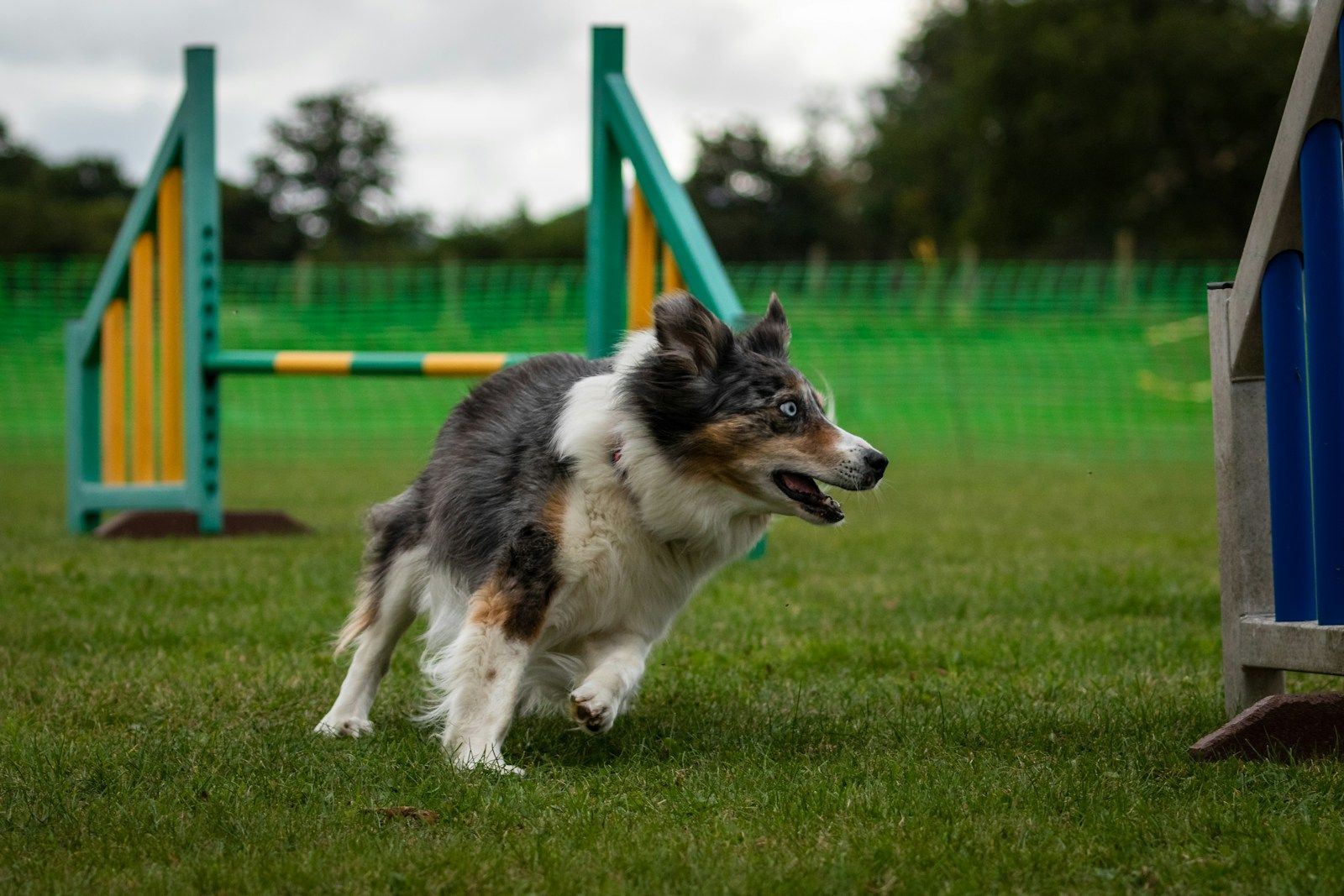
4. Agility Training
Agility training involves guiding your dog through a series of obstacles, such as jumps, tunnels, and weave poles.
Physical Fitness: Agility training provides a full-body workout, enhancing strength, speed, and flexibility.
Mental Challenge: Navigating an agility course requires problem-solving and concentration, providing significant mental stimulation.
Confidence Building: Successfully completing agility courses boosts your dog’s confidence and improves their ability to learn and follow commands.
5. Swimming
Swimming is a low-impact exercise that is particularly beneficial for dogs with joint issues or those recovering from surgery.
Joint Health: Swimming is gentle on the joints while still providing a comprehensive workout. It's ideal for dogs with arthritis or other joint conditions.
Whole-body Exercise: Swimming engages all muscle groups and provides a full-body workout, helping to build and maintain muscle strength.
Cooling Effect: Swimming can be a great way to exercise your dog during hot weather, helping them stay cool while staying active.
How Much Exercise Does Your Dog Need?
The amount of exercise a dog requires can vary based on several factors, including age, breed, size, and health status.
Puppies: Puppies are full of energy and need plenty of playtime to develop properly. However, their exercise should be moderate and not too strenuous to avoid overloading their developing joints.
Adult Dogs: Most adult dogs need at least 30 minutes to two hours of exercise per day. High-energy breeds, like Border Collies or Retrievers, may require more exercise, while less active breeds might be content with the lower end of the range.
Senior Dogs: Senior dogs may need less intense exercise but still benefit from regular activity to maintain their health and mobility. Shorter, more frequent walks and gentle play are ideal for older dogs.
Tips for Incorporating Exercise into Your Dog's Routine
1. Establish a Routine
Consistency is key when it comes to exercise. Establish a regular routine for walks and playtime to ensure your dog gets the exercise they need. Consistent exercise helps maintain your dog’s fitness and behavior.
2. Mix It Up
Variety is important to keep your dog engaged and motivated. Alternate between different types of activities, such as walking, running, and playing fetch. This not only prevents boredom but also provides a well-rounded exercise regimen.
3. Adjust for Weather
Consider the weather when planning your dog’s exercise. In hot weather, exercise during cooler parts of the day and ensure your dog stays hydrated. In cold weather, provide a warm coat and avoid icy or slippery surfaces to prevent injuries.
4. Monitor Your Dog's Health
Pay attention to your dog’s health and well-being during and after exercise. Watch for signs of fatigue, discomfort, or injury. If your dog shows any signs of distress, such as limping or excessive panting, stop the activity and consult your vet if necessary.
5. Use Interactive Toys
Interactive toys, such as treat-dispensing puzzles or fetch machines, can provide mental stimulation and physical exercise. These toys are especially useful for high-energy or bored dogs and can help keep them entertained and active.
Addressing Exercise Challenges
1. Health Conditions
Some dogs have health conditions that may limit their ability to exercise. For instance, dogs with arthritis or other joint issues may require lower-impact activities. Consult your vet for personalized exercise recommendations based on your dog's health status.
2. Busy Schedules
If you have a busy schedule, consider incorporating exercise into your daily routine. For example, take your dog for a walk before or after work, or engage in quick play sessions during breaks. Even short bursts of activity can be beneficial.
3. Safety Concerns
Ensure that the exercise environment is safe for your dog. Avoid areas with heavy traffic or hazards that could pose a risk. If your dog is off-leash, ensure they have reliable recall to prevent accidents. Use appropriate gear, such as harnesses or reflective vests, to keep your dog safe during outdoor activities.
Regular exercise is vital for keeping your dog healthy, happy, and well-adjusted. It offers numerous benefits, from improved physical health and mental well-being to enhanced social skills and a stronger bond with you. By understanding your dog’s exercise needs and incorporating a variety of activities into their routine, you can ensure they lead a fulfilling and active life. Remember, exercise isn't just about burning off energy""it's about enriching your dog's life and creating a stronger, happier companionship. Prioritizing regular exercise will lead to a healthier, happier, and more balanced dog, making for a more enjoyable and rewarding relationship for both of you.

Leave a Reply