Shedding is a natural process that every dog owner eventually comes to terms with. While it can be a source of frustration and concern, understanding the science behind shedding and your dog’s fur cycle can help you manage it effectively. In this article, we'll explore the reasons why dogs shed, the different types of fur, the factors that influence shedding, and how to minimize the mess while ensuring your pup remains healthy and happy.
Understanding Dog Fur Types
Before delving into the shedding process, it's essential to understand the types of fur dogs have. Dogs typically possess two types of coats: the primary (or guard) coat and the secondary (or undercoat).
- Primary Coat: This is the outer layer that protects against environmental elements. It consists of long, coarse hairs that repel moisture and dirt.
- Secondary Coat: Found in many breeds, this softer, denser layer provides insulation and warmth. Breeds like Huskies and Golden Retrievers have a prominent undercoat that plays a crucial role in temperature regulation.
Shedding Patterns
Shedding patterns vary greatly among breeds, influenced by factors such as genetics, health, and environment. Some dogs, like Poodles and Bichon Frises, have hair instead of fur and are considered hypoallergenic because they shed less. In contrast, breeds like German Shepherds or Labrador Retrievers shed significantly, especially during seasonal changes.
The Shedding Cycle
Shedding is a natural part of a dog’s life cycle and occurs in phases:
- Anagen Phase: This is the growth phase where hair follicles actively produce new hair. The duration of this phase varies by breed and can last from a few months to several years.
- Catagen Phase: This transitional phase lasts a few weeks. During this time, hair growth stops, and the hair follicle shrinks. The hair remains in place but is no longer actively growing.
- Telogen Phase: In this resting phase, hair is fully formed but not attached to the follicle. Eventually, the old hair will fall out, making way for new growth in the anagen phase. This cycle is repeated throughout a dog's life.
Seasonal Shedding
Many dogs experience seasonal shedding, often referred to as “blowing coat.” This phenomenon occurs primarily in spring and fall. As the weather changes, dogs will shed their winter coats to prepare for warmer temperatures in spring and grow thicker fur in anticipation of winter.
In spring, dogs lose their heavy undercoats to cool down, while in fall, they grow a thicker coat to insulate against colder weather. This process can be particularly pronounced in double-coated breeds, which can lose clumps of fur at a time.
Factors Influencing Shedding
Several factors can influence how much a dog sheds, including:
- Breed: Certain breeds are prone to more shedding than others. Understanding your breed's shedding tendencies is crucial for managing it.
- Age: Puppies usually shed their baby fur as they grow, and older dogs might shed more due to changes in health or hormone levels.
- Health: A dog's overall health directly impacts its fur cycle. Skin conditions, allergies, or hormonal imbalances can lead to excessive shedding. If you notice significant changes in your dog’s shedding patterns, consult your veterinarian.
- Diet: A balanced diet rich in essential fatty acids promotes healthy skin and fur. Poor nutrition can lead to dry skin and increased shedding.
- Stress: Dogs can shed more due to stress or anxiety. Changes in their environment, such as moving to a new home or the arrival of a new family member, can trigger increased shedding.
- Temperature and Humidity: Extreme weather conditions can affect your dog's fur. High humidity can lead to increased shedding as dogs regulate their body temperature.
Breed-Specific Shedding Tips
Understanding the specific needs of your dog's breed can greatly assist in managing shedding. Here are some tips tailored to common breeds:
- Labrador Retrievers: Labradors are known for their dense double coats and heavy shedding. Regular brushing at least once a week and more frequently during peak shedding seasons will help manage loose fur.
- Golden Retrievers: Similar to Labradors, Goldens shed heavily, especially during seasonal changes. Use a de-shedding tool to remove loose fur and invest in regular grooming sessions.
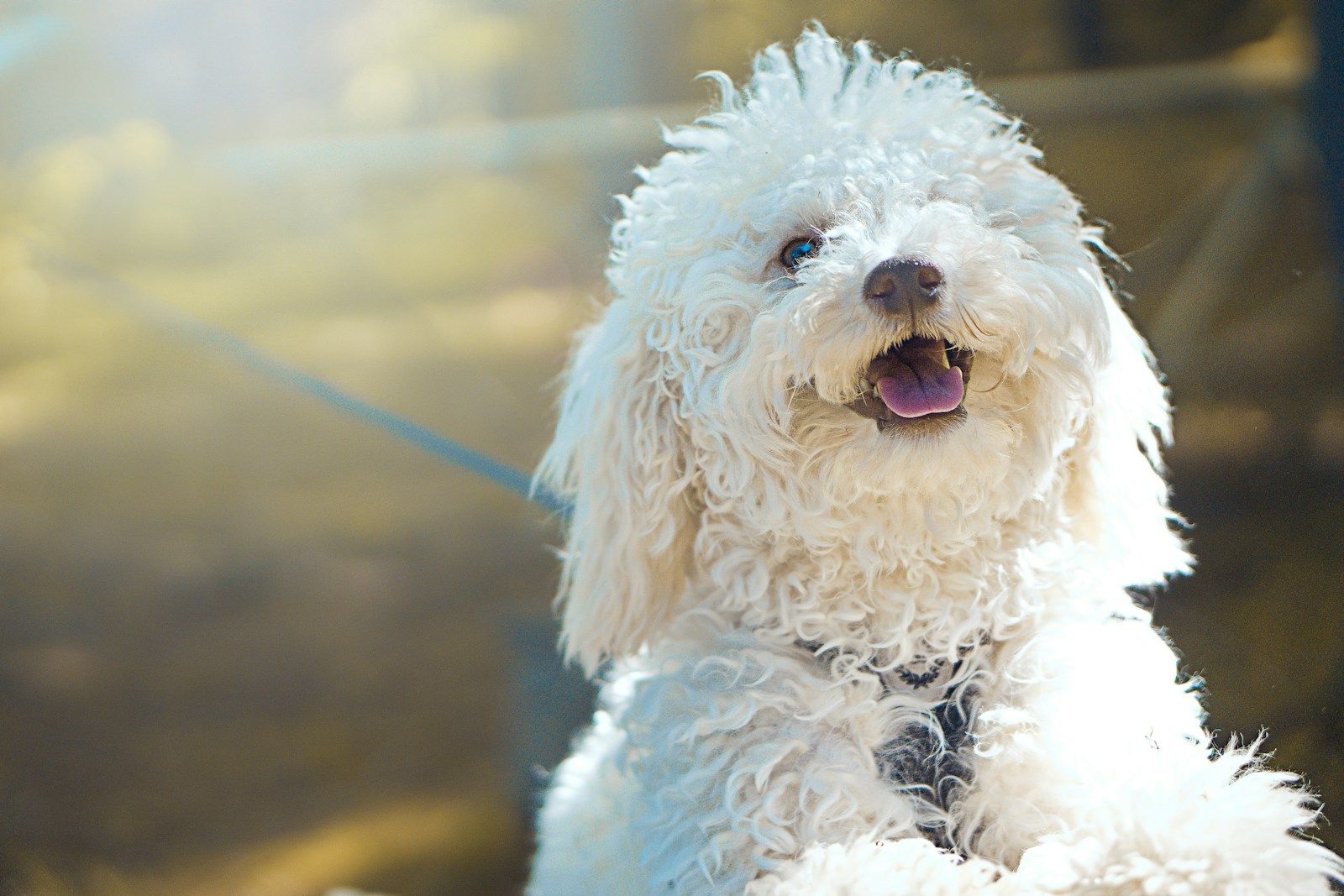
- Poodles: Poodles have hair rather than fur, leading to minimal shedding. However, they require regular grooming to prevent matting. Schedule professional grooming every 6-8 weeks to maintain their coat.
- Bulldogs: Bulldogs shed year-round, but their short coat means less visible fur around the house. Regular wiping of their skin folds and a good diet can help minimize excessive shedding.
Managing Shedding
While shedding is inevitable, there are several strategies you can employ to manage it effectively:
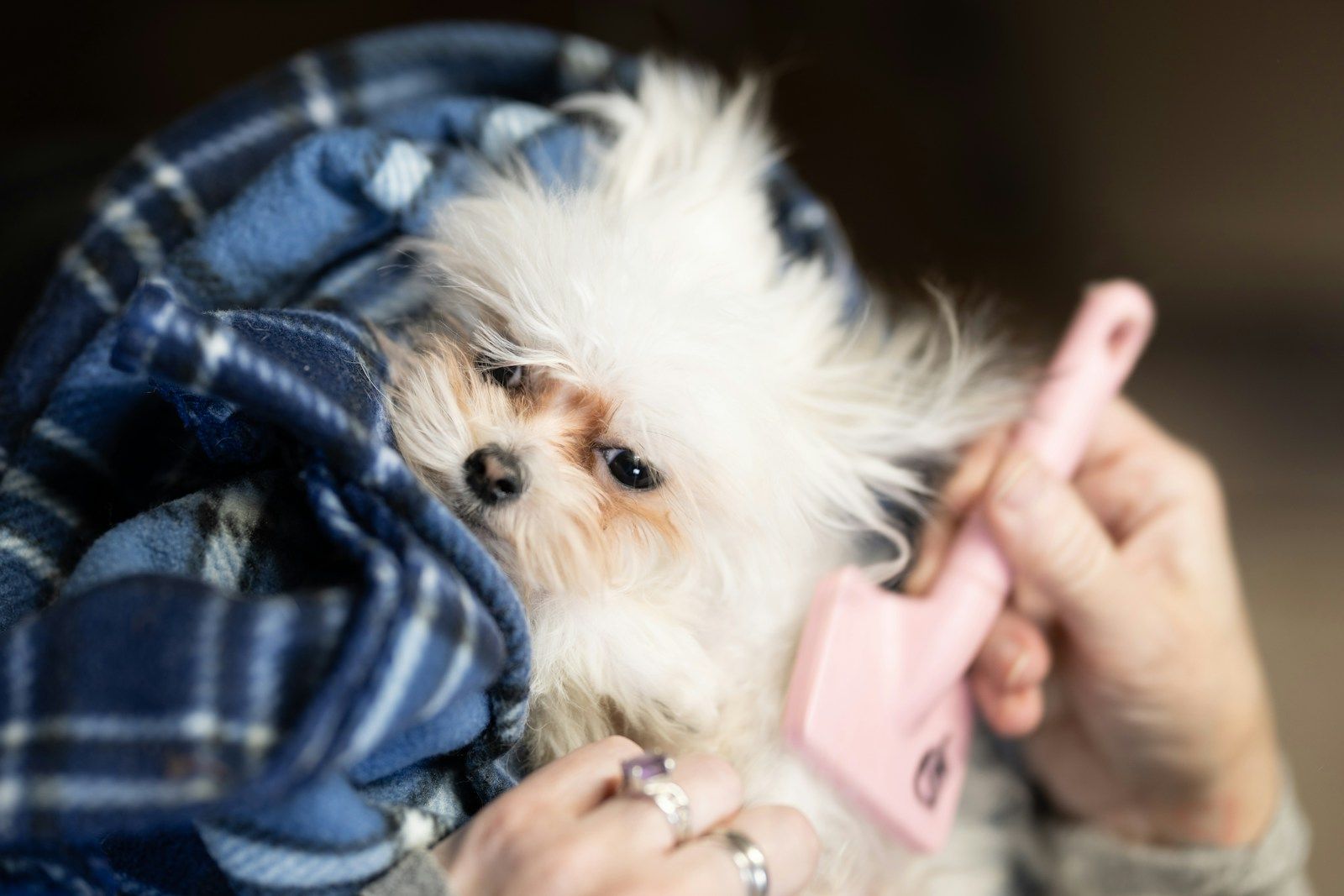
- Regular Grooming: Brushing your dog regularly helps remove loose fur and dander before it ends up on your furniture and clothing. Depending on your dog’s coat type, you may need a specific brush. For example, slicker brushes work well for long-haired breeds, while de-shedding tools are ideal for those with thick undercoats.
- Bathing: Regular baths can help reduce shedding by cleaning the coat and skin. Use a gentle, dog-specific shampoo to avoid skin irritation. Always ensure that your dog is completely dry after bathing, as damp fur can trap loose hairs.
- Dietary Considerations: Providing a high-quality diet that meets all nutritional needs can improve coat health. Consult your vet about the best food for your dog’s specific breed, age, and health requirements. Adding omega fatty acids can also promote skin health and reduce shedding.
- Hydration: Ensure your dog has access to fresh water at all times. Proper hydration helps maintain healthy skin and reduces shedding.
- Control Environment: Keeping your home clean with regular vacuuming and using air purifiers can help manage dander and fur. Consider investing in furniture covers that are easy to wash.
- Reduce Stress: Providing a stable environment with plenty of exercise and mental stimulation can reduce stress-related shedding. Consider training, puzzle toys, and regular playtime to keep your dog engaged and relaxed.
Health Concerns Related to Shedding
While shedding is normal, excessive shedding can be a sign of underlying health issues. If you notice sudden changes in your dog's shedding pattern, it's essential to consult your veterinarian. Conditions such as allergies, skin infections, and hormonal imbalances can lead to excessive fur loss. Early detection and treatment can prevent further health complications.
Common Health Issues Linked to Shedding
- Allergies: Dogs can be allergic to food, pollen, dust mites, and more. Allergies often manifest through skin irritation and increased shedding. Identifying and eliminating allergens can help.
- Skin Infections: Bacterial or fungal infections can lead to hair loss and increased shedding. Regular check-ups can help catch these issues early.
- Hormonal Imbalances: Conditions such as hypothyroidism or Cushing's disease can lead to increased shedding. If your dog shows signs of lethargy, weight changes, or skin issues, seek veterinary advice.
Understanding the science of shedding and your dog's fur cycle can transform your approach to managing this natural process. By recognizing the factors that influence shedding and implementing effective grooming and care strategies, you can keep your home clean and your dog healthy. Remember that shedding is a part of your dog’s life, but with proper management, you can minimize the impact it has on your daily routine. Embrace the love and companionship that your furry friend brings, fur and all!
Leave a Reply